The twin earthquakes that shook Venezuela recently have dealt a double blow to the Druze community in Canada, desperately searching for news of their family killed in the South American country, while mourning the loss of thousands of their compatriots in a government-backed attack a year ago in Syria.
The Druze, an Arabic-speaking ethnoreligious community whose faith emerged in the 11th century from the Ismaili tradition, developed as a distinct religion. Druze communities are concentrated primarily in Syria, Lebanon, Israel and Jordan, with diaspora populations elsewhere. Venezuela has a Druze population of 60,000, the largest outside the Middle East, while Canada is home to an estimated 25,000 mainly in Toronto, Montreal and Vancouver.
The Druze are searching for news of their families, caught in the 7.2 and 7.5 magnitude earthquakes that shook Venezuela recently, while supporting their community in Syria which is constantly facing violent attacks and government crackdowns.
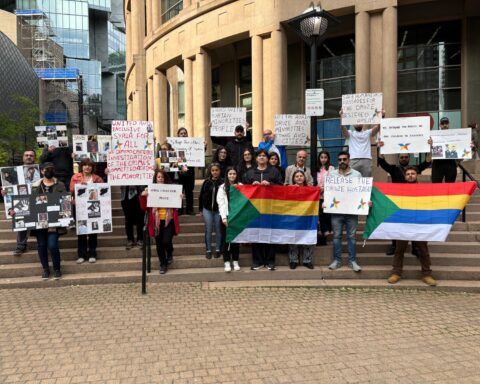
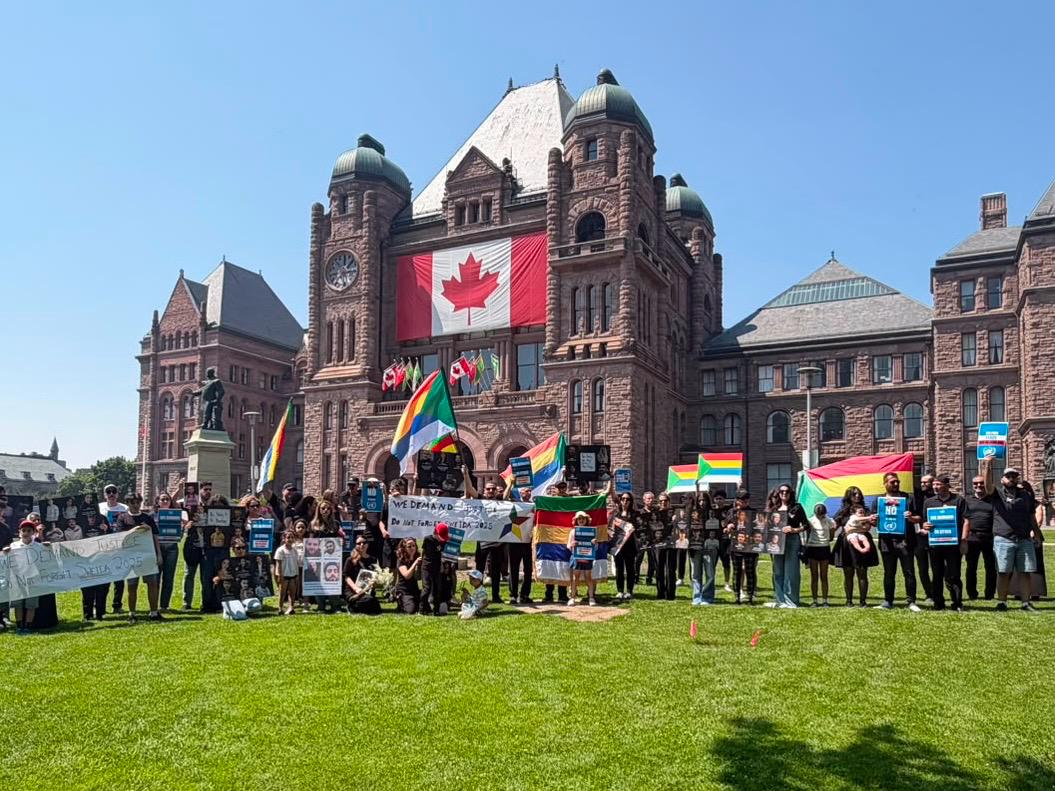
In ceremonies held in several Canadian cities on July 12, they marked the anniversary of the the July 2025 violence in Sweida, a city in southern Syria, in which members of their community were killed by Syrian government-backed forces a year ago. These rallies pay tribute to those who died, and call for support for the displaced, while demanding justice and accountability.
The majority of Canadian Druze arrived in Canada following the outbreak of the Syrian civil war in 2011. Targeted efforts under Canada’s refugee resettlement programs brought thousands of Syrians, including Druze to the country between 2015 and 2019.
Many Druze in Venezuela have close family connections in Canada, and the damage of the Venezuela earthquakes reverberated within the Canadian Druze community. Meanwhile, human rights monitoring groups have documented that violence against them and other religious minorities including Alawites and Christians, has intensified in Syria under the interim government after forces led by Ahmad al-Sharaa overthrew Bashar al-Assad’s government.
A close-knit religious minority in the Middle East, the Druze follow an offshoot of the Ismaili branch of Islam, a religion that some outsiders consider mysterious and esoteric. Historically branded heretics by more conservative Muslim sects, they have been targets of discrimination and oppression in their Middle Eastern homelands for centuries.
The July 2025 violence in Sweida began with clashes between Druze and Bedouin armed groups before Syrian government forces intervened. Human Rights Watch found that government forces and armed groups on both sides committed grave abuses. The organization documented 86 apparently unlawful killings, including those of 67 Druze and 19 Bedouin civilians, and said as many as 187,000 people were displaced.
This was not an isolated incident, but part of ongoing violence against Syria’s religious minorities according to Christian Solidarity International, an NGO based in Geneva.
The Druze community’s migration pattern, from the Middle East to Venezuela and Canada has left the Canadian community affected by the twin tragedies of the earthquake in Venezuela and ongoing persecution in Syria. Already stretching every resource to support suffering relatives in the Syrian heartland, many are now living in fear of the loss of close family and friends in the South American country where the death toll has already exceeded 4,300 and 18,000 have been left homeless.
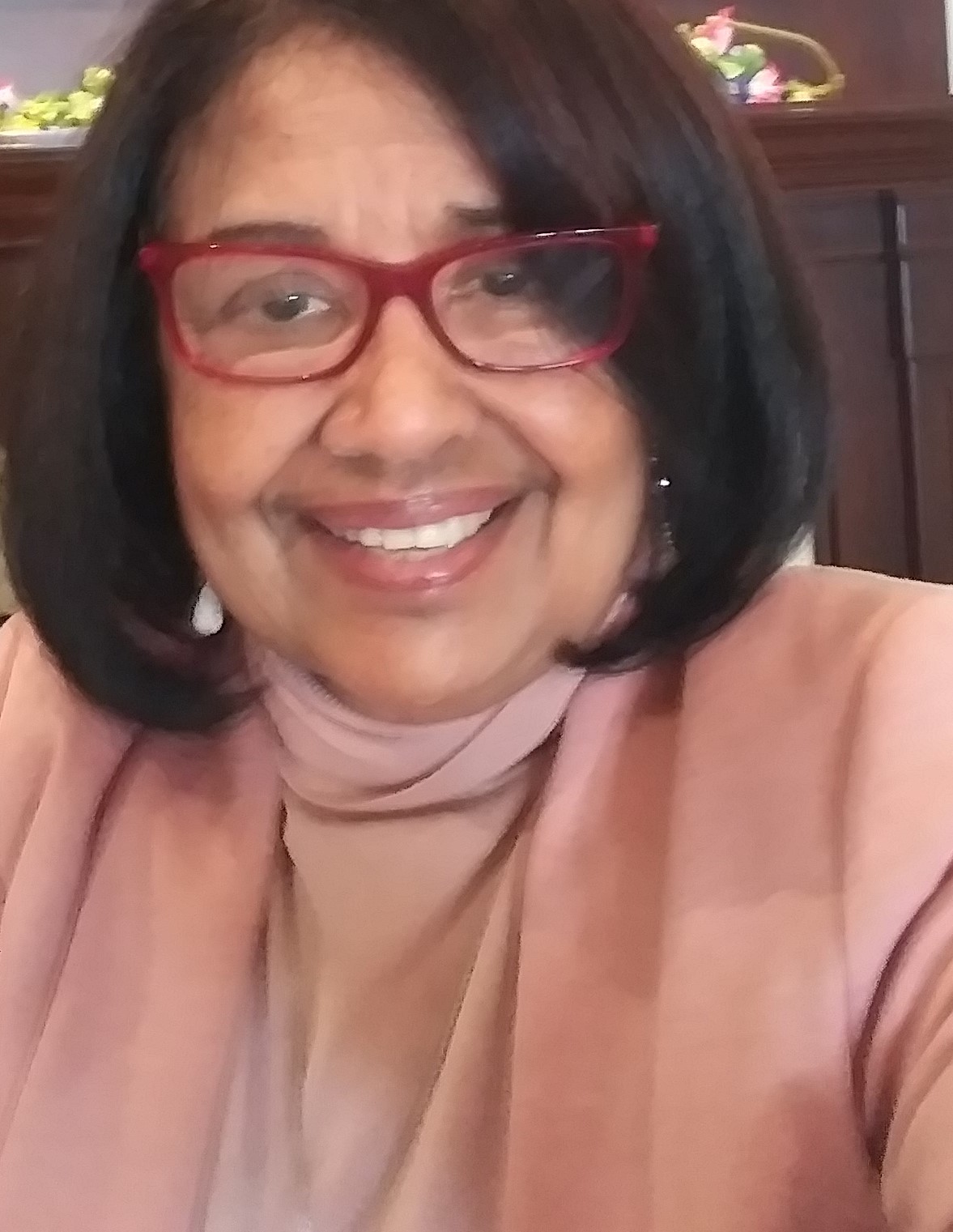
Sana Barouki is employed as a social worker with the Vancouver School Board. Her family history is an example of the Druze community’s migration routes that link them to Venezuela, Syria and Canada.
“My grandparents emigrated from Syria to Venezuela in the 1950s,” she told New Canadian Media. “They built a life and raised their family there. But when economic conditions became tough in Venezuela in the mid-2010s, some moved to the U.S. and Canada, and some back to Syria.”
Barouki herself was married in Syria and came to Canada as a skilled worker 20 years ago.
“90 percent of Druze in Syria have relatives in Venezuela,” she said. She added that Sweida, the Druze city in Syria is often dubbed “Little Venezuela.” Here, 20 percent of the population is returnees and dual citizens from Venezuela. Many of these retain family ties to Canada and to Venezuela.
“When we heard about the earthquake we were devastated,” Barouki said. “We were already suffering from the massacre in Sweida a year ago, and were planning commemorative ceremonies across Canada to mourn the loss of our friends and to honour their memories.”
She is still facing frantic days and sleepless nights trying to track down family and friends in the earthquake zones, a challenging task due to communications disruptions. She is particularly concerned about a cousin who survived the Sweida massacre, and fled to Venezuela, only to be caught by a natural disaster there.
“Every family I know is sending money home regularly to support relatives in Syria, so it’s very difficult for them to send donations to Venezuela.”

Susan Korah is an Ottawa journalist with a focus on minority and immigration issues. She was awarded the King Charles Coronation Medal for human rights journalism in 2025.