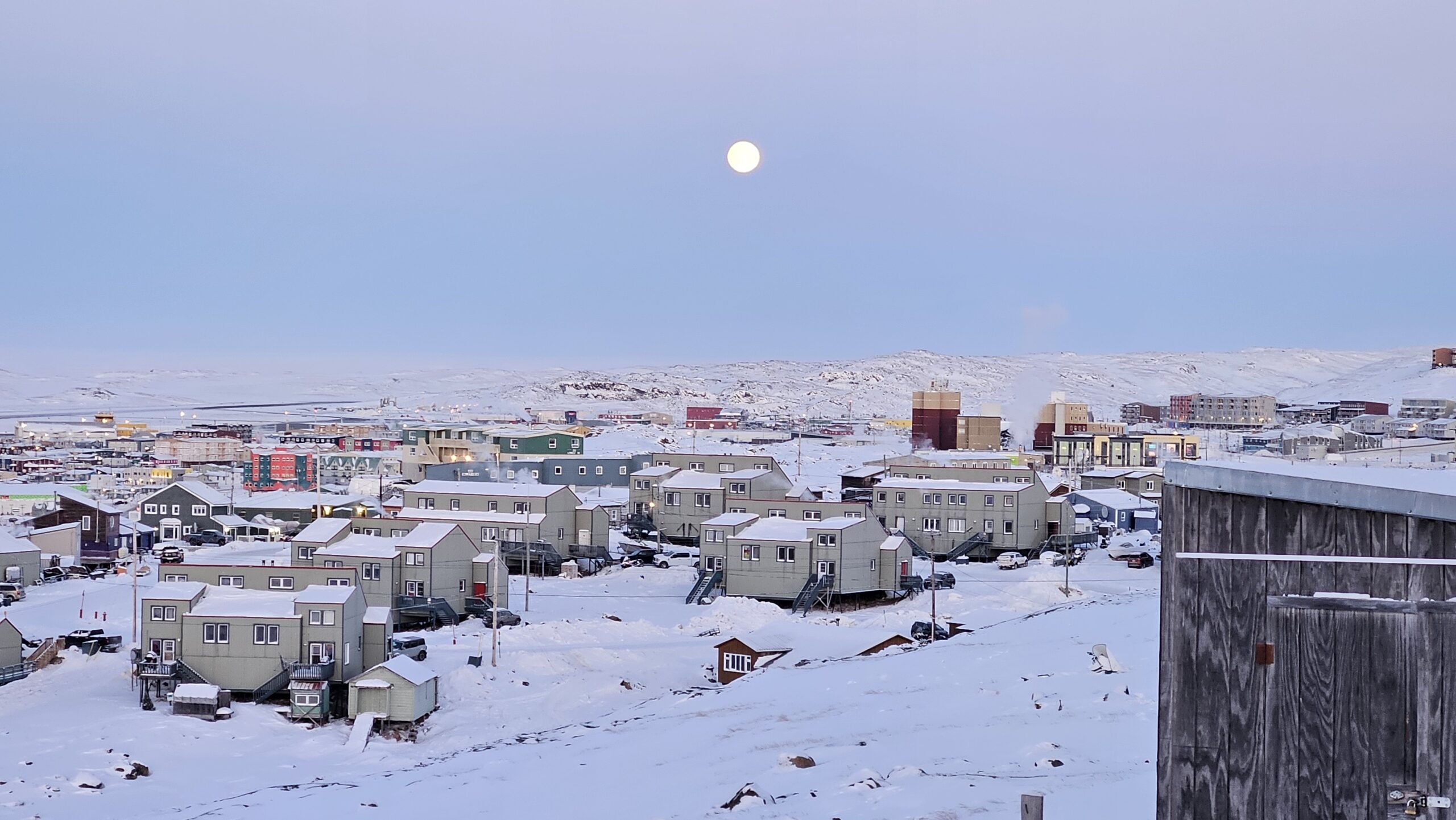

Unlike every other jurisdiction in Canada, the northern territory of Nunavut does not have its own immigration pathway to recruit newcomers, despite persistent labour shortages and a skills mismatch between available talent and job vacancies.
Foreign nationals who want to live and work in Nunavut must rely instead on federal pathways like Express Entry or a temporary work permit tied to a specific job offer, according to the Government of Nunavut’s own website.
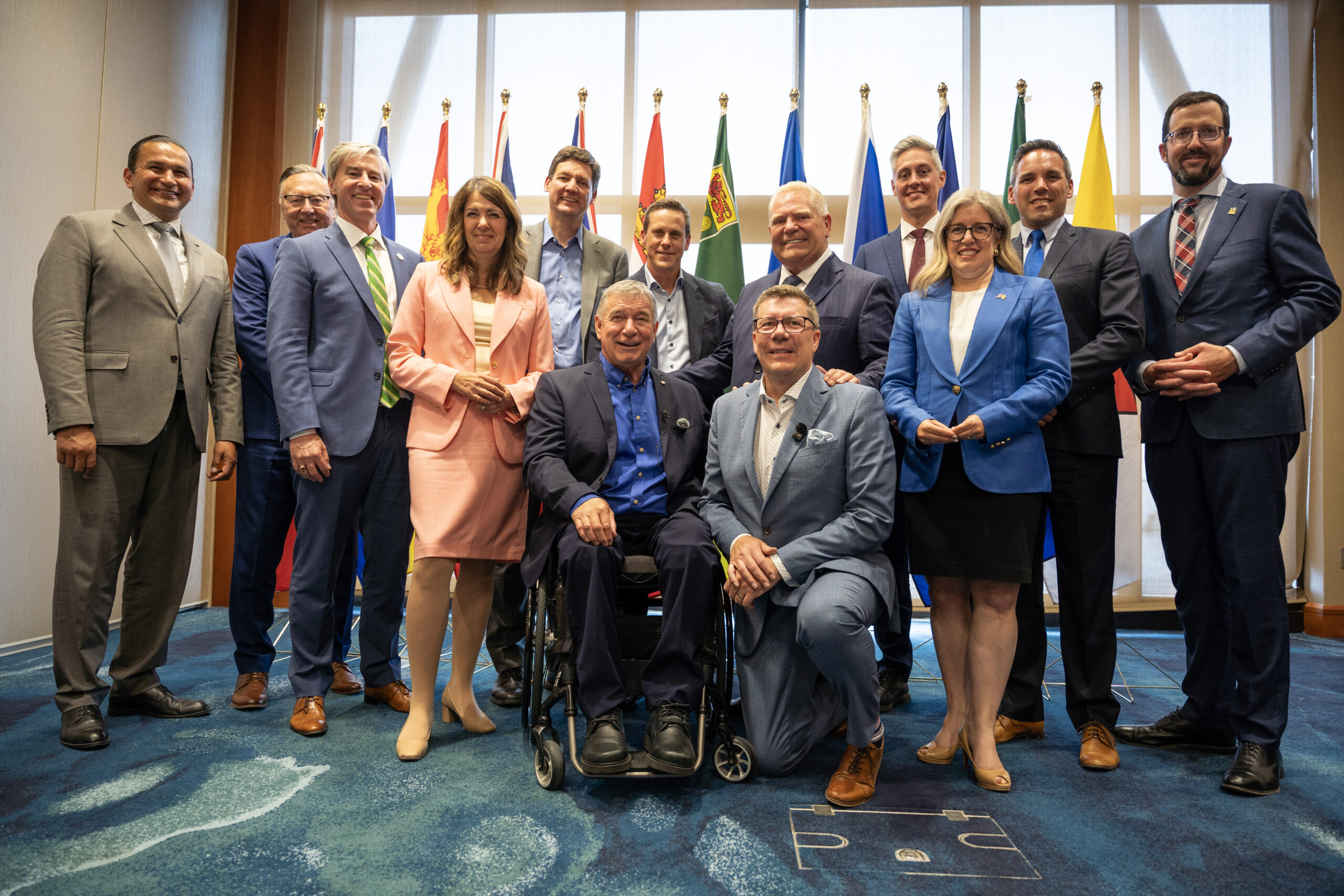
NCM began looking into this gap after noticing a footnote in the Premiers’ joint communiqué from their July 22 Council of the Federation meeting in Charlottetown — a document otherwise focused on pushing Ottawa for more control over economic immigration — revealing that Nunavut has no nominee program at all.
The Premiers were critical of federal immigration policy, arguing that Ottawa’s cuts to intake numbers have “impacted Canada’s ability to attract and retain global talent,” and called for “a greater role in economic immigration including increased provincial and territorial nominee allocations.”
Nunavut’s silence on this demand has nothing to do with constitutional provisions, which give Quebec broad discretion when it comes to selecting its immigrants.
The federal immigration department confirmed to NCM that Nunavut does not currently have a bilateral immigration agreement with Ottawa, and therefore does not administer what the a Provincial/Territorial Nominee Program (PTNP) — leaving federal pathways as the only route in.
Nunavut’s rationale
The Government of Nunavut, in a written statement to NCM, pointed to layered reasons rather than a single barrier: “Immigration must be considered within Nunavut’s unique context, including the Nunavut Agreement, our commitment to increasing Inuit employment, and the capacity of our communities to welcome and support newcomers.”
The territory said it is “engaging with stakeholders and gathering information” — language that stops short of confirming whether a nominee program is under active consideration.
That commitment to Inuit employment sits at the centre of the debate. Francis Essebou, executive director of Carrefour Nunavut, a settlement and economic development organization in Iqaluit, suggested that immigration and Inuit employment should be seen as complementary rather than competing goals.
“Nunavut’s long-term success depends first on continued investment in Inuit education, skills development and employment opportunities,” Essebou said. “At the same time, where critical labour shortages exist, targeted immigration can help fill essential (labour) gaps… while fully respecting the territory’s commitment to Inuit employment priorities.”
The labour shortages he’s describing are severe. According to research from the Future Skills Centre (FSC), Nunavut’s labour market is projected to grow 18% between 2024 and 2045, but the core challenge isn’t a lack of jobs — it’s a persistent mismatch between the skills available locally and what employers need.
Out-of-territory workers made up 34% of Nunavut’s workforce in 2019, according to the FSC, rising to 82% in oil, gas, and mining and 61% in construction that same year. Registered nurses rank among the top occupations in demand across the North, and schools sometimes rely on unqualified community members to teach due to a shortage of certified educators, the FSC found.
Essebou confirmed immigration is already helping fill some of those gaps in health care, education, skilled trades, and construction. But a PNP, he said, “could become an additional tool to help Nunavut respond more effectively to its specific labour market needs,” supplementing federal channels.
Other barriers
Even where immigration could help, structural barriers get in the way. Internationally trained nurses cannot become licensed directly in Nunavut, according to the FSC — they must first obtain a licence in another Canadian province before they’re eligible to practice in the territory. Federal programs like the In-Canada Workers Initiative often rely on applicants having gone through a PNP or similar program in the first place — a route that doesn’t exist for people already living in Nunavut.
Nunavut’s two fellow territories offer a comparison. Yukon’s Nominee Program, launched in 2002, was allocated 282 nominee spots in 2025 and issued 312 nominations, while the Northwest Territories Nominee Program was allocated 197 spots the same year, down from a 300 cap in 2024, after demand exceeded that cap for the first time in the program’s history. Both programs are small and frequently oversubscribed relative to their allocations, suggesting even a modest Nunavut program could be quickly inundated.
Settlement infrastructure in Nunavut is thin as a result. Immigration, Refugees and Citizenship Canada (IRCC) told NCM that settlement funding is allocated through “a national formula developed with provinces and territories,” and that it provided approximately $600,000 in settlement funding in Nunavut in 2024–25 — supporting a single funded service-provider organization, 79 permanent resident admissions, and 96 settlement clients.
Carrefour Nunavut is among the only settlement organizations operating in the territory. Essebou said newcomers face “limited settlement services, housing shortages, the high cost of living and the realities of living in remote northern communities,” and that strengthening “settlement supports, community integration, access to language services and employer engagement will be essential to improving newcomer retention.”
Housing remains part of that settlement picture, though a smaller piece than labour and employment priorities. More than 60% of Nunavummiut rely on public housing, and 45% of it is considered overcrowded, according to a May 2025 federal audit — a constraint the territory’s own statement to NCM cited as one of several “broader conditions that support successful immigration.”

Shilpashree Jagannathan
Shilpashree Jagannathan is a journalist from India. She now lives in Toronto and has worked as a business reporter for leading newspapers in India. She has tracked telecom, infrastructure, and real estate news developments and has produced podcast series. She currently focuses on human rights, feminist movements, and other related issues in Canada and India. Her weekends are spent bird watching in one of the Toronto birding hotspots; she loves trails, biking, and a lot of sun.