Part two of a two-part series
For decades, visiting one of Canada’s national museums meant walking through quiet halls filled with artifacts, places shaped by colonial architecture, with preserved objects and fixed historical timelines.
But in a country where nearly one in four people (23 per cent) is foreign-born, and where diversity shapes daily life in major cities, Canada’s cultural institutions are exploring how to keep pace with the people serve rather than leaving modern communities at the margins.
In a recent Globe and Mail commentary, museum and heritage strategist Osama Elemary argued that Canada renamed its heritage ministry without deciding whose story the country’s cultural institutions should tell.
Elemary said belonging in Canada is not a finished picture.
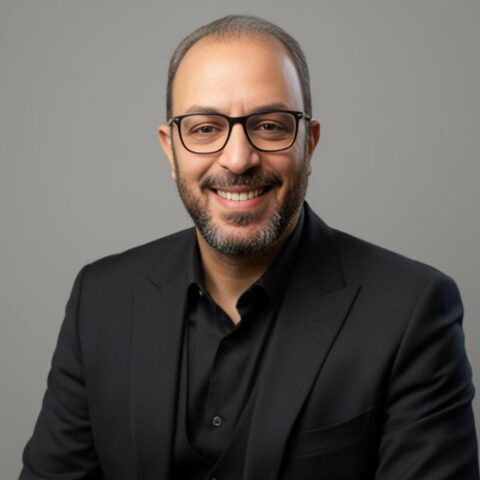
As Elemary put it, Canada is not “a landscape of cultures living peacefully side by side.” It is a country that negotiates belonging every day.
New Canadian Media spoke with key voices across the cultural sector to look at how museums, art centres and local artists are responding to this shift. For many institutions, representing today’s Canada means moving beyond simplified, one-dimensional historical displays.
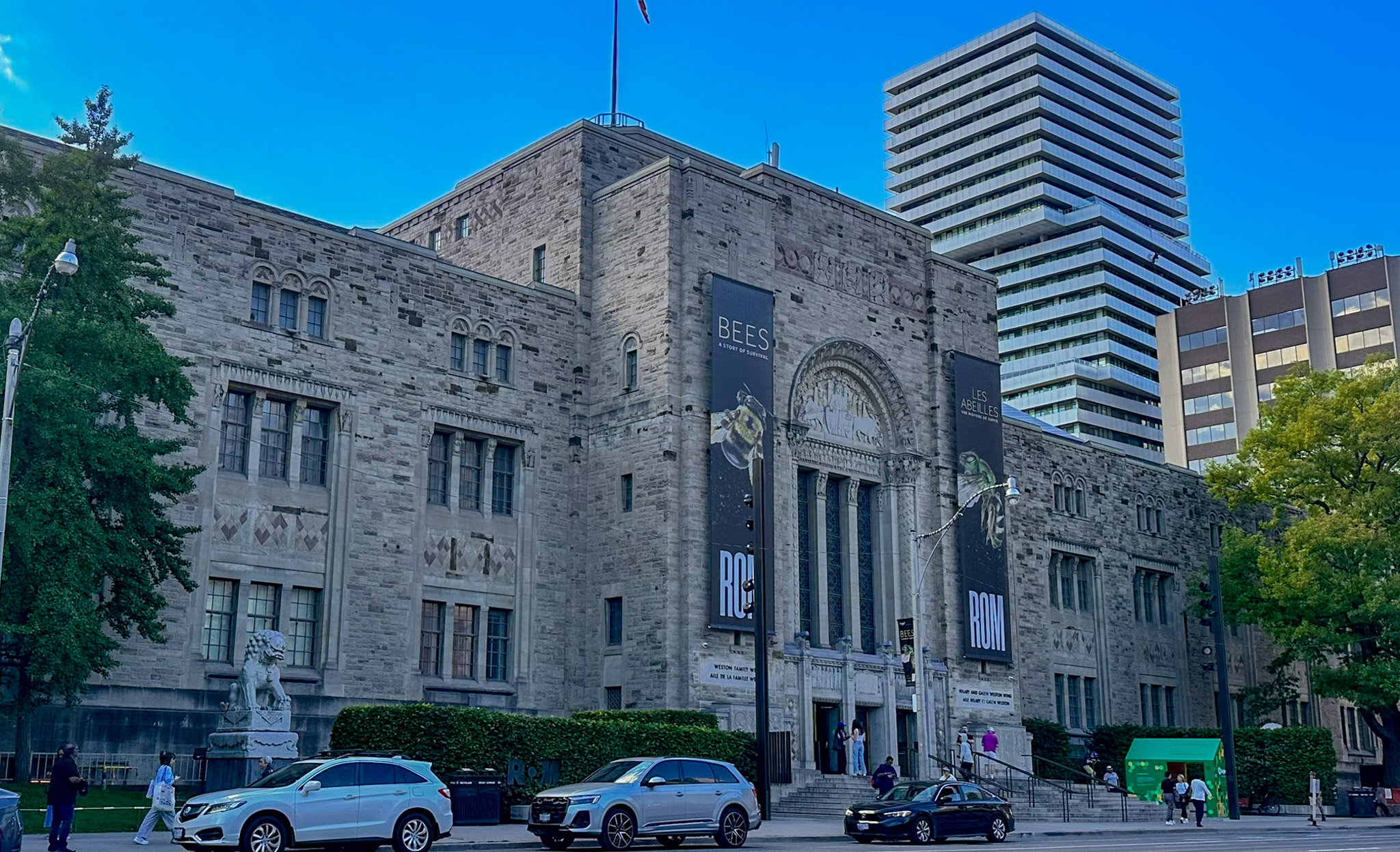
Tandazani Dhlakama, Curator of Global Africa at the Royal Ontario Museum (ROM), says cultural representation must move away from outdated, rigid storytelling.
“African culture has been presented as homogenized and as though it was frozen in time,” she said, adding that stories of African and diaspora communities were often oversimplified by people who were not from those communities.
Dhlakama said museums have an opportunity to show African culture in the present as well as the past, while celebrating the diversity of Africa and its vast diaspora, including Afro-Canadian stories.
She said meaningful change inside museums requires diverse leadership and sustained dialogue.
“To shift outdated narratives, talent across all organizational levels needs to include staff with diverse perspectives.”
She said staff who work with objects from specific cultures need lived experience, and museums must keep listening to those communities.
“And for those working with culture-specific belongings, lived experience is essential. Also key to the process is a commitment to engage in continuous dialogue with a wider range of communities, including newcomer groups, and an openness to receive institutional critiques and learnings.”
Many museums still face internal hurdles — from limited budgets to long‑standing policies — making it difficult to update collections or redesign exhibitions. Even with strong commitments to diversity, change often unfolds slowly and unevenly across institutions.
Some major organizations view culture as an active, ongoing conversation rather than something stored behind display glass.
Sascha Priewe, director of collections and public programs at the Aga Khan Museum in North York, Ont., said cultural institutions should serve as bridges between communities rather than static repositories.
“At the Aga Khan Museum, we see culture as something dynamic, shaped by exchange, migration, creativity and ongoing dialogue,” she said. “Through exhibitions, festivals, performances, school programs and community partnerships, we create opportunities for people from different backgrounds to encounter one another through the arts. These experiences demonstrate that when cultures meet, they do not simply coexist; they inspire new ideas, new forms of expression, and new ways of understanding the world..
In the performing arts sector, authentic connection needs long-term commitment rather than one-time events.
Kondwani Mwase, executive director of audience engagement at the National Arts Centre (NAC), said the centre considers relevance and resonance in its collections.
“Relevance inspires people from all walks of life to step through our doors for the first time,” Mwase said.
“Long-term connection requires resonance and ensuring that what audiences experience on stage, in our spaces, and through our national initiatives genuinely reflects their lived experiences.
“Deepening engagement is an intentional, continuous process; it requires sustained care, thoughtful programming and a commitment to building long-term trust so that initial visits transform into lifelong relationships.”
Community‑led cultural preservation
These institutional and artistic perspectives reveal a cultural sector in transition, with newcomers pushing for representation not only in exhibitions, but also in leadership and long‑term decision making.
Beyond national institutional strategy, newcomer communities have long taken the initiative to present their living history directly to the Canadian public.
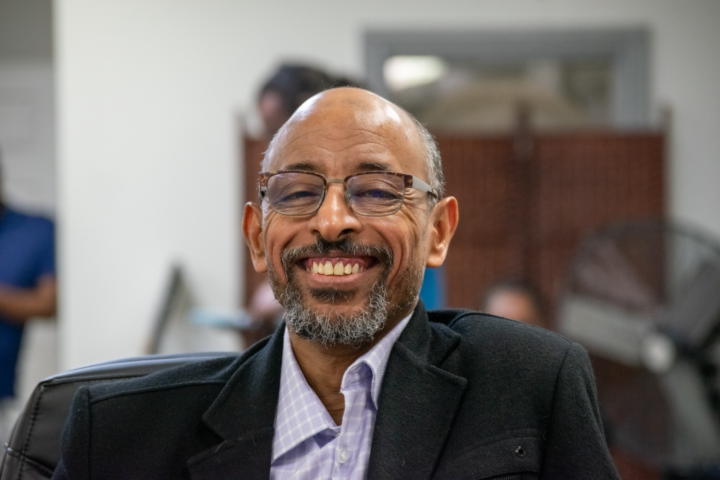
Yasser Mahgoub, one of the founders of the community-led Nubian Centre in Toronto, said grass roots action bridges the gap between static history and modern presence.
The Centre organized exhibitions on Nubian civilization at Toronto’s Metro Hall in collaboration with the Sawakin Center for Arts and Culture.
“Participating in exhibitions and social and cultural competitions under one roof on a regular basis allows immigrant cultures to show their continuity and depth,”. Mahgoub said.
Preserving identity is not only about looking back at ancient artifacts in glass cases; it’s about creating permanent, accessible spaces for diverse cultures within Canada’s evolving narrative.
The economic reality for newcomer artists
While institutional leaders outline strategic roadmaps, artists on the ground face a much harsher economic reality.
Hisham Khalid, a Mississauga-based visual artist, says immigrant creators are not merely documenting Canadian multiculturalism, they are actively shaping it.
“Immigrant artists are often invited to represent their culture, but not always given the same opportunity to join the broader conversation about contemporary Canadian art,” Khalid said.
“We shouldn’t be exhibited only because we are immigrants; we should be exhibited because we are artists.”
He said newcomer artists face major financial and structural barriers to gaining visibility. “After immigration, artists are rebuilding not just their careers but their financial security, networks, and sense of belonging.It’s hard to integrate when financial pressure is constant.”
Immigrant artists are already contributing to Canada’s cultural identity, Khalid said. “The next step is ensuring they have a fair opportunity to build sustainable careers within it.” Over the next five years, museum and heritage strategist Osama Elemary said he hopes museums stop treating diversity and reconciliation as exhibition themes.
“Canada should be told as a country that is not yet finished,” he said.
“That is not a criticism. It is the most honest and most powerful story we have.”
Shawgi Mustafa
Shawgi Mustafa is a Toronto-based journalist and energy analyst with over 10 years of experience covering energy markets, human rights, politics and migration. He has worked for numerous prominent media organizations across the Middle East. His work focuses on the intersection of global politics, human rights and energy economics. X: @shawgi