
When Andrew Hallikas talks about immigration, he isn’t thinking about Ottawa’s pre-occupation with too many newcomers. He’s thinking about the server he sees at his favourite restaurant who might not be there in a year.
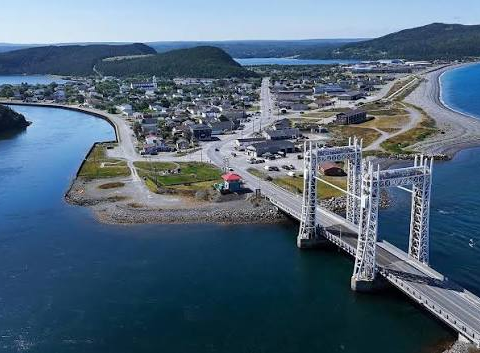
Hallikas, mayor of this town of roughly 7,500 in northwestern Ontario, near the Minnesota border, is in the final stretch of his fourth and last term. Before he goes, he wants to flag something he hears constantly from local business owners: the workers keeping their doors open are often here on temporary work permits.
“People (business owners) want to keep the temporary workers they already have,” Hallikas said in an interview with NCM. “They’re doing a great job, they’re well-liked, and then their permits expire and they have to leave” or start the process all over again for new ones. The town folk, he said, are blunt about what they want instead: “Let us keep the ones we’ve already trained and whose customers already know them.”
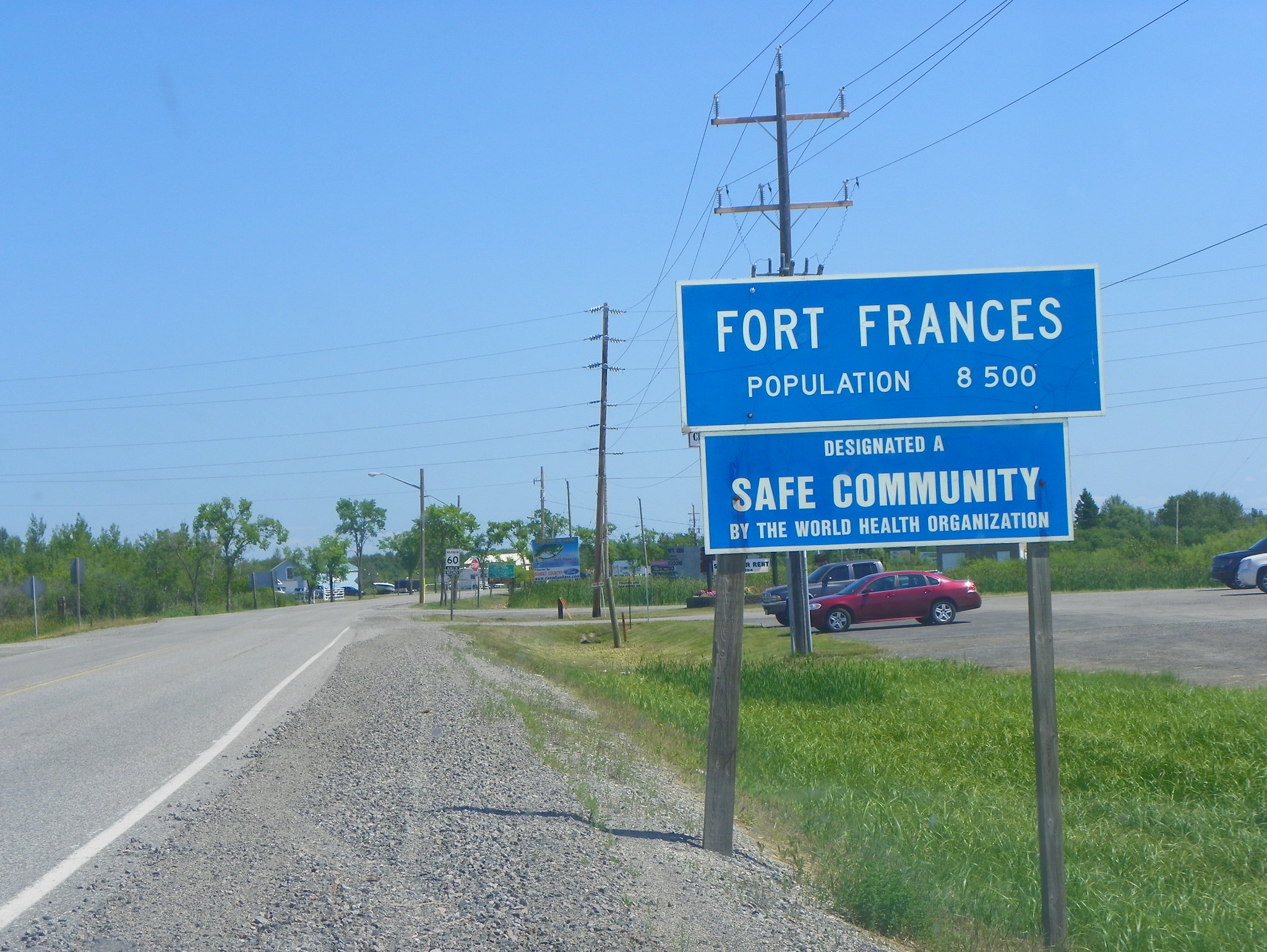
The numbers back up what Hallikas is describing. Fort Frances’ population fell 3.5 per cent between 2016 and 2021, even as Ontario as a whole grew by 5.8 per cent over the same period, according to Statistics Canada’s 2021 Census. The town’s average age is 44.6, and residents over 65 make up its single largest age group. Only 5.2 per cent of Fort Frances residents are immigrants — compared with 29.1 per cent across Ontario and 21.9 per cent nationally — meaning the town starts from a far smaller immigrant base than the province it sits in, even as it leans on that small population to fill roles no one else is applying for.
It’s crippling the workforce. Restaurants, retailers, and the local seniors’ home all lean on workers who arrive to fill jobs no one else is applying for, he added. Losing a trained worker to an expired permit doesn’t just mean paperwork — it means starting the hiring and training cycle from scratch, in a town that already can’t fill its openings.

Hallikas said he’s been well represented on the issue — Marcus Powlowski, the Member of Parliament for Thunder Bay–Rainy River (the riding that includes Fort Frances) has talked to the mayor and other rural representatives, taking their pleas to Ottawa, and this has contributed to some policy movement like allowing smaller towns to have a larger proportion of temporary foreign workers.
The hesitation he’s up against isn’t coming from Ottawa, though — it’s Ontario. When the federal government offered provinces the option to raise the foreign-worker cap for rural employers from 10 to 15 per cent this spring, Ontario Labour Minister David Piccini declined to opt in, telling federal Jobs Minister Patty Hajdu that the program “has had a clear and damaging impact on opportunities for Ontario workers,” particularly the young. Piccini pointed to youth unemployment exceeding 15 per cent province-wide as reason enough to hold off.
In Fort Frances, Hallikas said, that logic doesn’t hold: “We have jobs we can’t fill even with immigrant workers already in the mix. They’re filling a need — they’re not taking anyone’s job here.”
Hallikas isn’t the only small-town leader making that case. In March, the federal government gave provinces the option to raise the foreign-worker cap for rural employers from 10 to 15 per cent — an acknowledgment, however narrow, that national immigration targets don’t always fit local labour markets. But the response has been uneven: B.C., Manitoba, New Brunswick, Nova Scotia, Newfoundland and Labrador, and Quebec opted in, while Ontario and Alberta declined.
Other municipal leaders have told NCM that federal immigration policy shifts, designed with national pressures in mind, are landing hardest on communities whose labour math runs in the opposite direction.
Fort Frances will get a new mayor by early December. Whoever takes over will inherit the same math Hallikas has been living with for years: an aging population, a shrinking pool of young workers, and businesses that depend on temporary employees they aren’t allowed to keep.
For now, Hallikas is still making the case. “They’ve basically seamlessly blended into our community,” he said of the temporary workers he’s talking about. “We like them. We love them.” The people he’s describing, in other words, aren’t strangers filling a policy quota. They’re the ones already behind the counter.

Shilpashree Jagannathan is a Hamilton-based freelance journalist and editor whose work has appeared in CBC News, New Canadian Media, The Margin, Business Insider, TRT World and Mint, and has been republished by The Walrus. She reports on immigration, labour, affordability, housing, elections, climate impacts and social justice, focusing on how policy and power shape the lives of households, workers, newcomers and local communities. Drawing on more than a decade in business journalism in India and a strong background in investigations, research and editorial work, she brings rigour and empathy to stories that trace the gap between policy and lived experience. She has also appeared on podcasts and radio programs to discuss her reporting and its broader public-policy implications.