

A petition tabled in the House of Commons March 24 urges the federal government to fix the troubled Start-Up Visa (SUV) program, as applicants push for faster processing and a return of limited work permits for founders trying to build businesses in Canada.
The petition started at a time when Canada’s SUV program is not just backlogged but suspended. IRCC now says applicants must hold a valid 2025 “commitment certificate” and apply for permanent residency by June 30, 2026, while the optional work permit for founders has been closed to new applicants since Dec. 19, 2025. A commitment certificate is a document from a designated organization that allows a founder to move ahead with a SUV application.
The petition, initiated by Guelph entrepreneur Amir Soozandehfar, calls on Ottawa to increase annual permanent resident admissions under the SUV program, add staffing and resources to cut delays, fast-track lower-risk applicants and resume issuing limited work permits to “essential founders.”
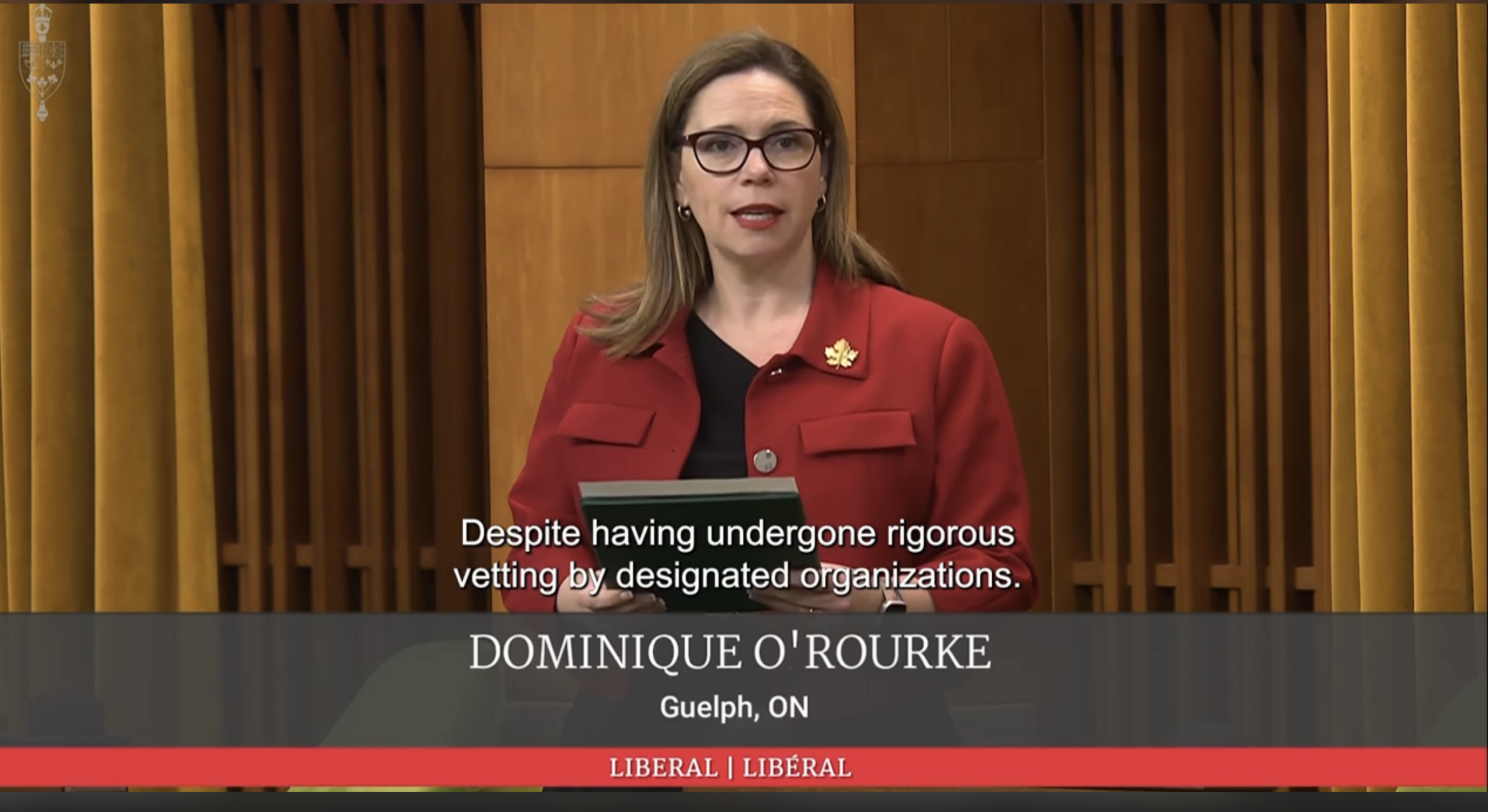
In presenting the petition in Parliament, Liberal MP Dominique O’Rourke said, according to Hansard, that petitioners were concerned “that in recent years, SUV applicants have faced extensive and unpredictable processing delays, often lasting several years, despite having undergone rigorous vetting by designated organizations.”
A new Macdonald-Laurier Institute paper argues the program’s collapse was driven by “systemic mismanagement,” an over-reliance on private partners and “a government slow to correct course,” framing the backlog not as a one-off administrative problem but as the result of years of weak oversight.
The stakes go beyond paperwork. As applications sit in limbo, founders can lose business traction, hiring opportunities and investor confidence, while families who pinned their future on the SUV program are left waiting on a pathway Canada once promoted as a route for global entrepreneurs.
The uncertainty is also disrupting children’s education and business plans. Maulik Pandya, in an earlier New Canadian Media story, said his daughter had to put off starting at McMaster University because the family is still on temporary status and he could not afford the tuition for international students. He said he came to Canada hoping to build his company here and expand into the wider North American market, but years of visa uncertainty have made it difficult to plan, grow or invest with confidence.
Edeme Kelikume said his son has already missed two years of college for the same reason. Without permanent resident status, he also said he cannot access grants, business credit or loans that could help his company grow, illustrating how immigration delays can shut founders out of the very systems they moved to Canada to tap into. For some applicants, that uncertainty has become so severe that they have considered leaving — or have already left — the country.

Shilpashree Jagannathan is a Hamilton-based freelance journalist and editor whose work has appeared in CBC News, New Canadian Media, The Margin, Business Insider, TRT World and Mint, and has been republished by The Walrus. She reports on immigration, labour, affordability, housing, elections, climate impacts and social justice, focusing on how policy and power shape the lives of households, workers, newcomers and local communities. Drawing on more than a decade in business journalism in India and a strong background in investigations, research and editorial work, she brings rigour and empathy to stories that trace the gap between policy and lived experience. She has also appeared on podcasts and radio programs to discuss her reporting and its broader public-policy implications.
