Zeel Shah moved to the neighbourhood of Windermere in Edmonton from Toronto and quickly found that the quieter life she and her husband wanted came with an immediate challenge: Getting around without a car.
On weekends, when buses ran less frequently, Shah sometimes walked for half an hour in -20 C temperatures to catch the bus to work. Missing it meant waiting another hour.
She does not remember those early experiences in 2019 with bitterness.
“I wouldn’t necessarily consider that a negative experience,” Shah said. “For me, it was simply part of the initial struggle of settling into a new city.”
Seven years later, she has little desire to return to the big-city lifestyle she left behind.
Shah’s experience is an illustration of the challenges facing Canada’s immigration strategy: Attracting newcomers to communities outside of the country’s biggest metropolitan centers — and convincing them to stay.
Toronto, Montreal and Vancouver remained the leading destinations for recent immigrants in the 2021 census, but their combined share fell from 56 per cent in 2016 to 53.4 per cent in 2021.
Statistics Canada also found that 4.4 per cent of recent immigrants were living in small urban centres and 3.2 per cent had settled in rural areas.
The federal government has sought to encourage the redistribution of immigrants. Its current Rural Community Immigration Pilot offers permanent residence to skilled workers who want to work and settle in 14 rural and more remote communities.
Whether newcomers stay in these smaller communities depends on much more than their immigration status. A job can bring someone in, but is it enough to keep them?
Suneet Kukreja, who came to Canada in 2015, sees that distinction every day.She manages the YMCA of Owen Sound Grey Bruce’s Immigrant Services in Ontario, which is funded by Immigration, Refugees and Citizenship Canada (IRCC). The program helps permanent residents settle across communities in southwestern Ontario’s Grey and Bruce counties.
Kukreja said employment is key to whether families remain, but having one employed member of a household may not be enough.
“If there is something for both the partners, then there is retention,” she said.
The YMCA program has worked with families where one partner had a job they loved while the other could not find work in their field. Some eventually moved to Manitoba or British Columbia because both partners had better employment opportunities there.
For Chioma Ibeh, employment was an important consideration when she and her family chose a small waterfront community in northern Ontario.
Ibeh, who was born in Nigeria, trained as a nurse in the U.K. before immigrating to Canada in August 2024. Her family was looking for employment opportunities, a healthier work-life balance and a safe environment in which to raise their children.
The local hospital helped ease their transition by providing a list of available rental properties and employment opportunities for both Ibeh and her partner. Ibeh said working in a smaller hospital gives her greater professional autonomy than she would have in a larger metropolitan hospital.
Shah’s experience was different; she came to Canada as an international student in 2015 and lived in Toronto. After she married, the couple moved to the suburb of Windermere in Edmonton after.
She and her husband wanted a quieter and less crowded place to settle, but employment opportunities were also part of their decision. It took a couple of months for Shah to find a job in her field — food quality assurance.
The experiences of these three women illustrate the intersection between employment and belonging.
Kukreja said sustainable employment that matches newcomers’s skills remains one of the biggest challenges in her job. Professionals can spend years trying to re-enter occupations for which they trained before coming to Canada because their credentials aren’t accepted, she said.
“To sustain themselves for those two to three years, folks pick up any kind of entry-level jobs that they can land their hands on,” Kukreja said. For some professionals, that means working at grocery store checkouts and as security guards or other jobs that require fewer skills.
For people supporting young families, the choice is particularly difficult, she said. Do they return to school to upgrade their credentials or take a lower paying job to earn enough to support the household?
And finding jobs isn’t the only consideration when newcomers choose where to settle. They also need transportation, childcare, healthcare and housing, and these can be more challenging to find outside Canada’s major urban centres.
Kukreja said transportation is one of the biggest barriers in the Grey Bruce counties her YMCA program serves.
“There is no inter-municipal transit system in most of the counties,” she said, adding that employment even 30 minutes from home can be difficult to reach without a vehicle.
Shah’s early experience in Edmonton was similar, despite the vastly different size of the communities. Shah eventually became comfortable in Edmonton, but health care and child care are still challenging. She had a positive experience with the healthcare system when she gave birth to her son, but she doesn’t have a family doctor and relies on walk-in clinics for medical needs.
When her son was six months old, the family registered him at several daycares; they waited more than a year for a space to open up.
Ibeh has encountered different issues in her northern Ontario community.
Her family found housing, although it was not as affordable as they had expected. Public transportation is limited, and residents seeking a wider range of shopping options travel more than an hour to a larger centre.
Ibeh’s children attend a French-language school, but she said families have fewer educational options than they would in a larger city.
These concerns are important because Canada’s rural immigration strategy isn’t based solely on finding places with labour shortages. When communities applied for funding under the federal immigration pilot project, which was launched in January 2025, IRCC also assessed whether they had the infrastructure and services required to accommodate newcomers, including healthcare services, housing, educational facilities and settlement organizations.
Another issue is trickier to quantify.
“To be honest, it can be difficult to make friends when you move to a different city or province, especially when you don’t have family or an existing social circle there,” Shah said.
She believes activities bringing newcomers and established residents together could help people develop stronger community connections.
Kukreja said social isolation is a significant settlement issue.

“No matter how good a job you have, no matter how well settled you are, you still need to have that community connection,” she said.
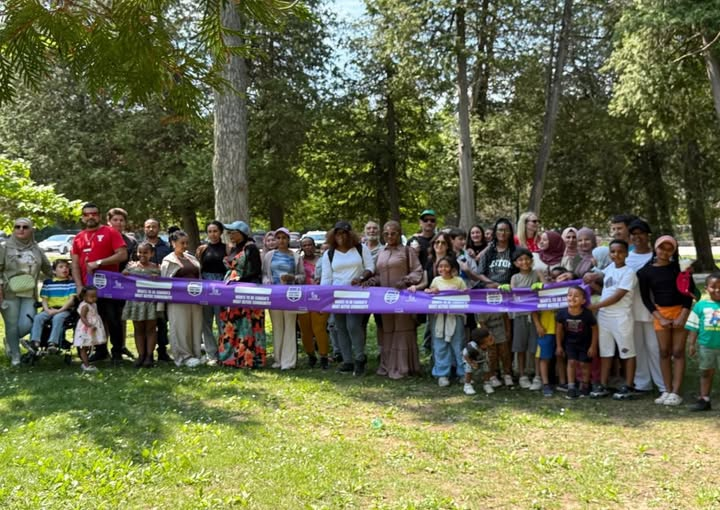
Her YMCA program organizes community activities designed to create those connections. At a recent beach outing, Kukreja recalled watching two newcomers, one French-speaking and the other Arabic-speaking — both with limited English — spend hours chatting despite their different backgrounds. They subsequently became friends.
“These are those social connections that go a long way,” Kukreja said.
Ibeh has found some of those connections through activities organized by her hospital, union, religious community and the growing community of Nigerians who are settling in her northern Ontario community. She said local residents have been welcoming, and she has not experienced isolation or discrimination.
IRCC’s 2023 Settlement Outcomes Report found that newcomers who participated in a previous pilot program reported a strong sense of belonging to their local communities, with stronger belonging among those who accessed settlement services or community-level supports.
The 2021 program offers an early indication of whether Canada’s attempts to distribute immigration more widely will be successful.
The 2023 report draws on a survey of 276 newcomers conducted in 2022, found that 93 per cent were still living in the rural community they first settled in, and 88 per cent had no plans to leave.
Among the top reasons respondents gave for staying were that they liked living in a smaller or rural community, liked their job and felt welcomed in the community.
For those who had left or planned to leave, the leading reason was access to services unavailable locally, such as specialized doctors or higher education.
For Ibeh, living in a smaller community is still her choice, but she is uncertain whether the family will be there long term.There is no university, and that might be a consideration in the near future.. Career advancement may also be a factor.
But for Shah, however, the decision is clear.
“We have become comfortable with this lifestyle, and we still value having a quieter and more peaceful environment,” she said.
She does not want to return to the big-city lifestyle she left.
“Ultimately, I believe if you give someone a reason to stay, they will stay. If they have a good job, opportunities to grow in their career, affordable housing, and a clear path toward building a future, they are much more likely to put down roots.”
Canada’s current pilot project is intended to help rural communities attract and retain immigrants who want to live there long-term. Employers participating in the program must also agree to support the settlement of newcomers and their families.
Kukreja said governments could do more before newcomers even arrive in the country. Canada could provide realistic information about opportunities outside the metropolitan areas, increase awareness of rural settlement services and improve pathways for internationally-trained professionals to have their qualifications recognized.
Kukreja arrived in Canada as a biochemist, but she needed another two years of medical laboratory technology education before she would be considered qualified to work in her field here.
After years of helping newcomers establish themselves in Grey Bruce counties, she believes retention ultimately involves something less tangible than immigration programs or economic incentives.
“I think one of the biggest lessons that we learned from our past, and we still continue to work on it, is how you make people feel,” Kukreja said.
“If they feel welcomed and they feel that they belong to the space, then they will ask you for all the wraparound services, and their success in the community depends on that.”

Dayo Ojerinde
Dayo Ojerinde is a multimedia journalist with more than 10 years of experience covering health and social issues, with a focus on human-centred and data-driven reporting.