
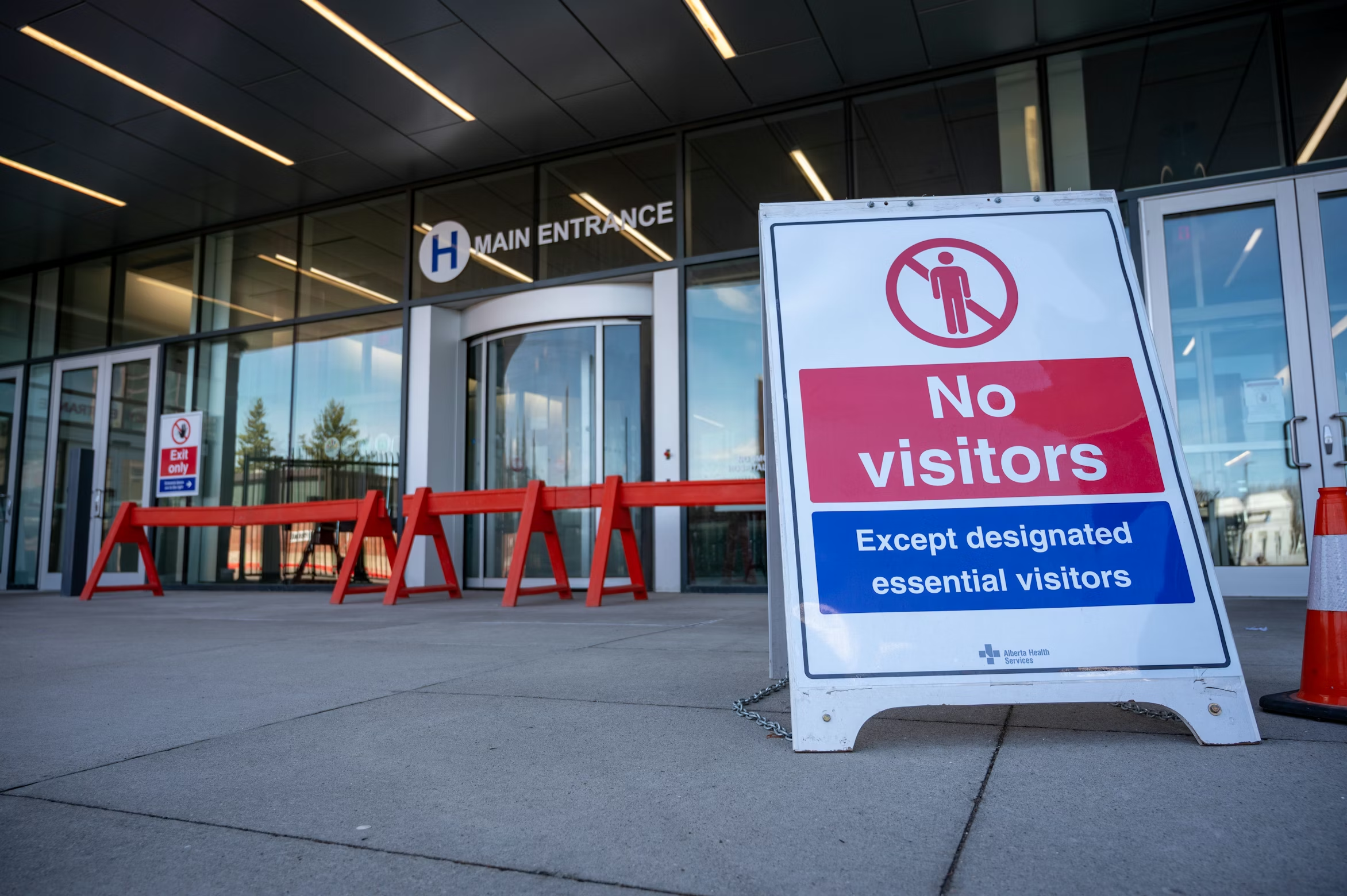

A $4 prescription fee may sound small. But for refugee claimants and resettled refugees arriving in Canada with little or no income, doctors and frontline workers say Ottawa’s new refugee health co-payments could become the difference between filling a prescription and going without care.
The fees apply under the Interim Federal Health Program (IFHP), a federal program that provides temporary health coverage to refugee claimants, resettled refugees and other eligible newcomers before they qualify for provincial coverage or while their immigration claims are being processed.
As of May 1, beneficiaries now have to pay $4 for each eligible prescription and 30 per cent of the cost of several supplemental health services, including dental care, vision care, counselling, physiotherapy and assistive devices.
Basic health care remains covered. But refugee-health providers say the new fees could delay treatment for people already facing poverty, trauma, chronic illness and precarious immigration status. Some doctors say they have begun documenting harms as they explore a possible legal challenge.
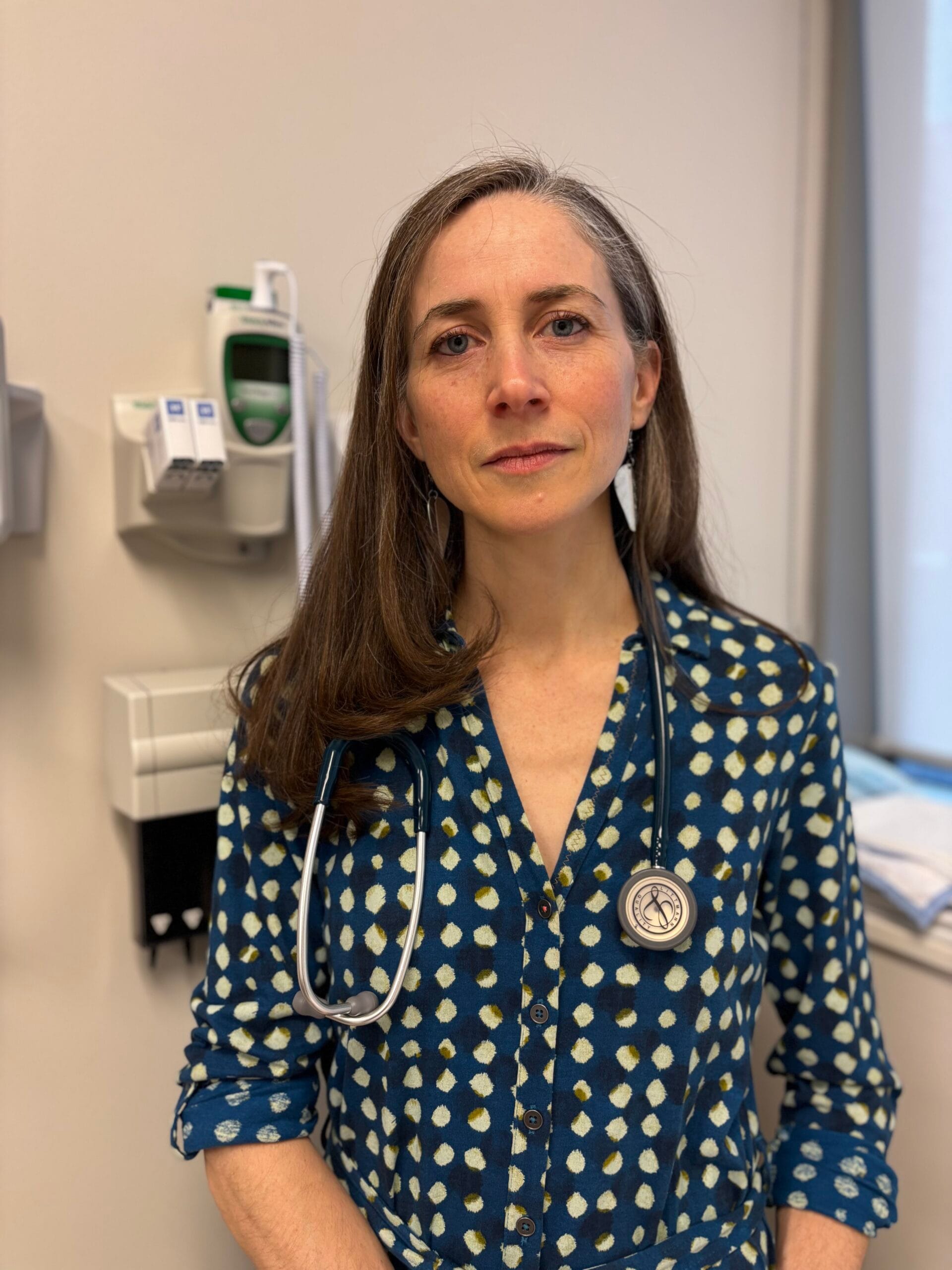
Dr. Vanessa Redditt, a family physician who works with refugees in Toronto, said health care providers are working with lawyers to explore a possible challenge to the co-payments. They are also collecting evidence of delayed care, denied care, emergency room visits and hospitalizations linked to the new fees.
Redditt said the co-payments amount to “insurmountable financial barriers” for many patients who arrive in Canada with no savings, no stable income and no family networks.
“These co-payments are a denial of care,” Redditt said.
In Ontario, she said, many refugee claimants are living in shelters or relying on social assistance, with a single person receiving about $733 a month to cover shelter, food, transit and other basic needs. Government-assisted refugees, she said, receive support that is generally tied to provincial social-assistance rates, leaving little room for unexpected health costs.
The concern, Redditt said, is that small charges can turn routine health needs into emergencies. A parent who cannot afford a $4 antibiotic prescription for a child, for example, may wait until an infection worsens and requires emergency care or hospitalization — a far more expensive outcome for the national health system.
The Canadian Refugee Health Network, a national community of doctors, nurses, nurse practitioners, allied health professionals and researchers, has also warned that the co-payments could cost governments more, not less. In a policy brief shared with New Canadian Media, the network argues that delayed access to medications, counselling, dental care, mobility supports and medical supplies could increase emergency department visits, hospitalizations and long-term public costs.
Dr. Meb Rashid, medical director of the Crossroads Clinic at Women’s College Hospital in Toronto, said the fees may appear modest but can add up quickly for patients managing chronic illnesses such as diabetes, hypertension or heart disease.
A patient taking six or seven medications could face more than $20 a month in prescription co-payments, he said — a serious barrier for people who are newly arrived, relying on food banks or struggling to put food in the fridge.
“Primary care is, in the health-care context, cheap,” Rashid said. “It’s when people deteriorate, they end up in hospital, when they have complications in their illnesses, that’s when it becomes expensive.” The health-policy evidence also supports the doctors’ argument. The World Health Organization has found that stronger primary care can reduce total hospitalizations, avoidable admissions and emergency department use.
Rashid said the concern is not only that patients may delay filling prescriptions, but that confusion around the new rules could also discourage care. A patient may receive medication in hospital or in an emergency department, he said, but face a co-payment once they leave with a prescription to fill at a community pharmacy.
He said Canada has already seen how changes to refugee health coverage can create lasting access problems. After earlier IFHP cuts in 2012, Rashid said, some providers stopped accepting IFHP coverage, and it took years to bring them back into the system even after the program was restored.
In 2014, the Federal Court struck down earlier 2012 cuts to refugee health coverage, finding they inflicted “cruel and unusual treatment” in violation of the Charter. The cuts were later reversed.
The Canadian Medical Association (CMA) also warned that the co-payments could worsen health outcomes and increase pressure on an already strained health system. In an emailed response, president of CMA Dr. Margot Burnell said the association is “deeply concerned” about what the changes will mean for patients who cannot afford medications or essential supports.
“When patients cannot afford medications or essential supports, medical conditions worsen and ultimately, they may require emergency or hospital care, increasing both human suffering and system-wide expenditures,” the CMA said. “Unnecessary barriers to care for one of our most vulnerable communities will require patients to choose between medication, food, or rent.”
The CMA said the co-payments could also create confusion and administrative work for pharmacists, dentists, optometrists and physicians. It said supplemental benefits such as dental care, vision care and other supports are “core to ensuring the best patient outcomes,” and that for patients living in poverty, the new costs can function as “a de facto denial of care.”
The association urged Ottawa to reconsider the changes and work with health providers and patients to keep IFHP accessible. It also pointed to earlier IFHP cuts introduced in 2012, saying they were opposed by physicians and later reversed because they were “harmful and ineffective.”
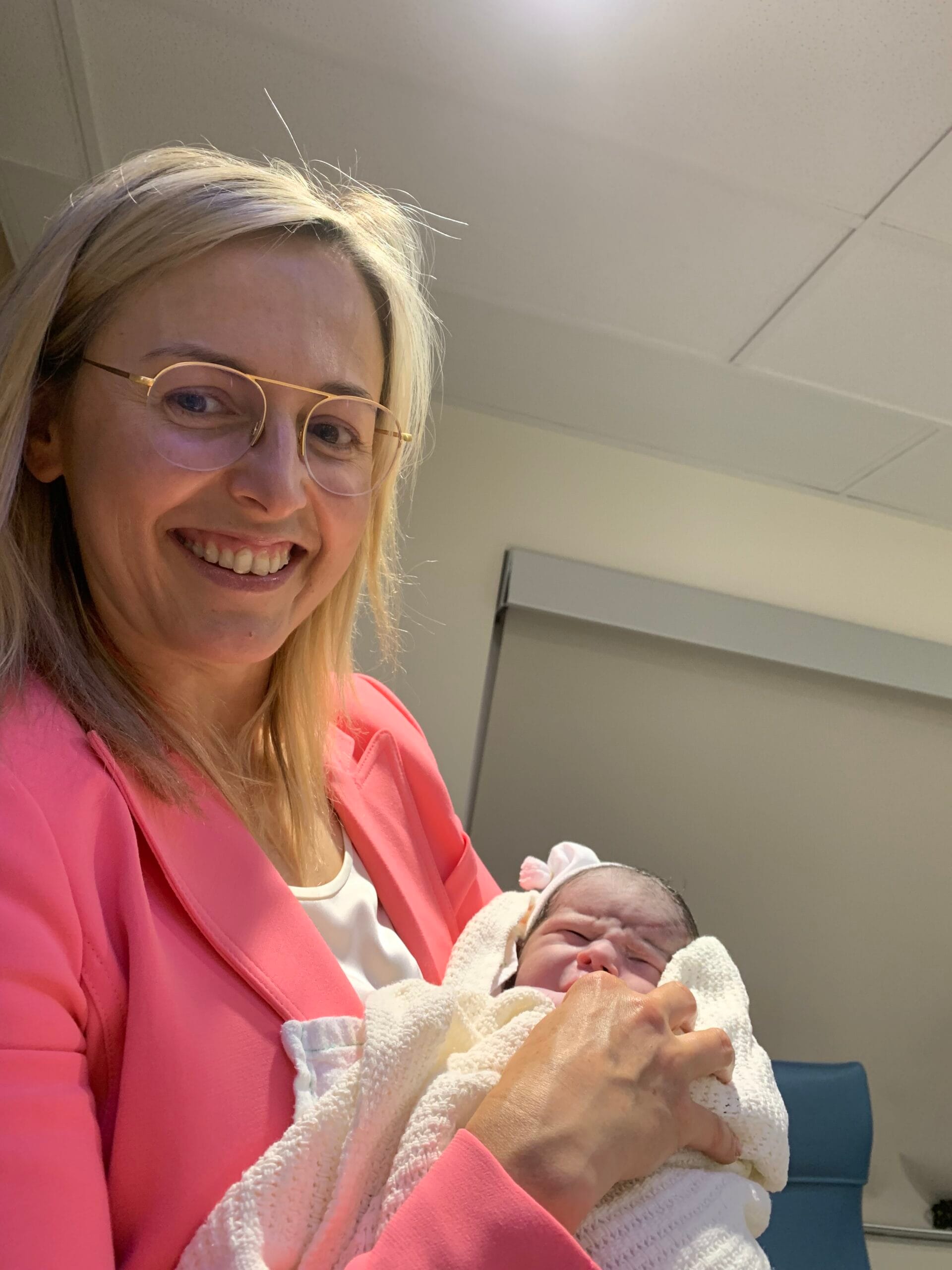
Dr. Annalee Coakley, a family physician who works with refugees in Alberta, said the cuts are especially concerning for government-assisted refugees, who are often selected for resettlement because they are among the most vulnerable people referred to Canada — including women and children at risk, survivors of torture and violence, and people with complex medical needs.
“If we’re choosing the most vulnerable (refugees), we can’t just bring them here and then abandon them,” Coakley said.
She said many resettled refugees arrive after years without consistent health care, often with untreated physical and mental-health needs. For some, the affected services are not optional add-ons, but basic supports that allow them to function, recover and settle.
“Those are not supplementary,” Coakley said. “It makes it sound like it’s optional or like a luxury. Those are actually essential services.”
For children with complex medical needs, the costs can be much higher than a $4 prescription fee, said Dr. Shazeen Suleman, a Vancouver-based pediatrician who works with refugee children.
Suleman said children may need oxygen, feeding equipment, wheelchairs, dental care, medication or therapy — supports that can be expensive even before a 30 per cent co-payment is added.
“Now they’re going to put parents in impossible, heartbreaking situations,” Suleman said.
She said families may end up choosing between food and a child’s medication or supplies. Others may delay care until a child becomes sicker and needs hospital treatment.
The co-payments could also create risks during pregnancy and postpartum recovery, said Manavi Handa, a registered midwife and associate professor at Toronto Metropolitan University.
Handa said pregnant refugees may need medication for severe nausea, supplies for wound care after a C-section, catheter supplies, counselling or dental care. If those supports become harder to access, she said, patients may stay in hospital longer, return to emergency departments for basic care, or go without treatment.
“We’re talking about people who have nothing, who are trying to start a life here,” Handa said.
Handa said mental-health care is also crucial for some pregnant refugees who have experienced war, displacement or gender-based violence. She said limiting access to counselling, or making it unaffordable, does not make people healthier.
“It doesn’t make anyone healthier to deny services or put more barriers in place,” she said.
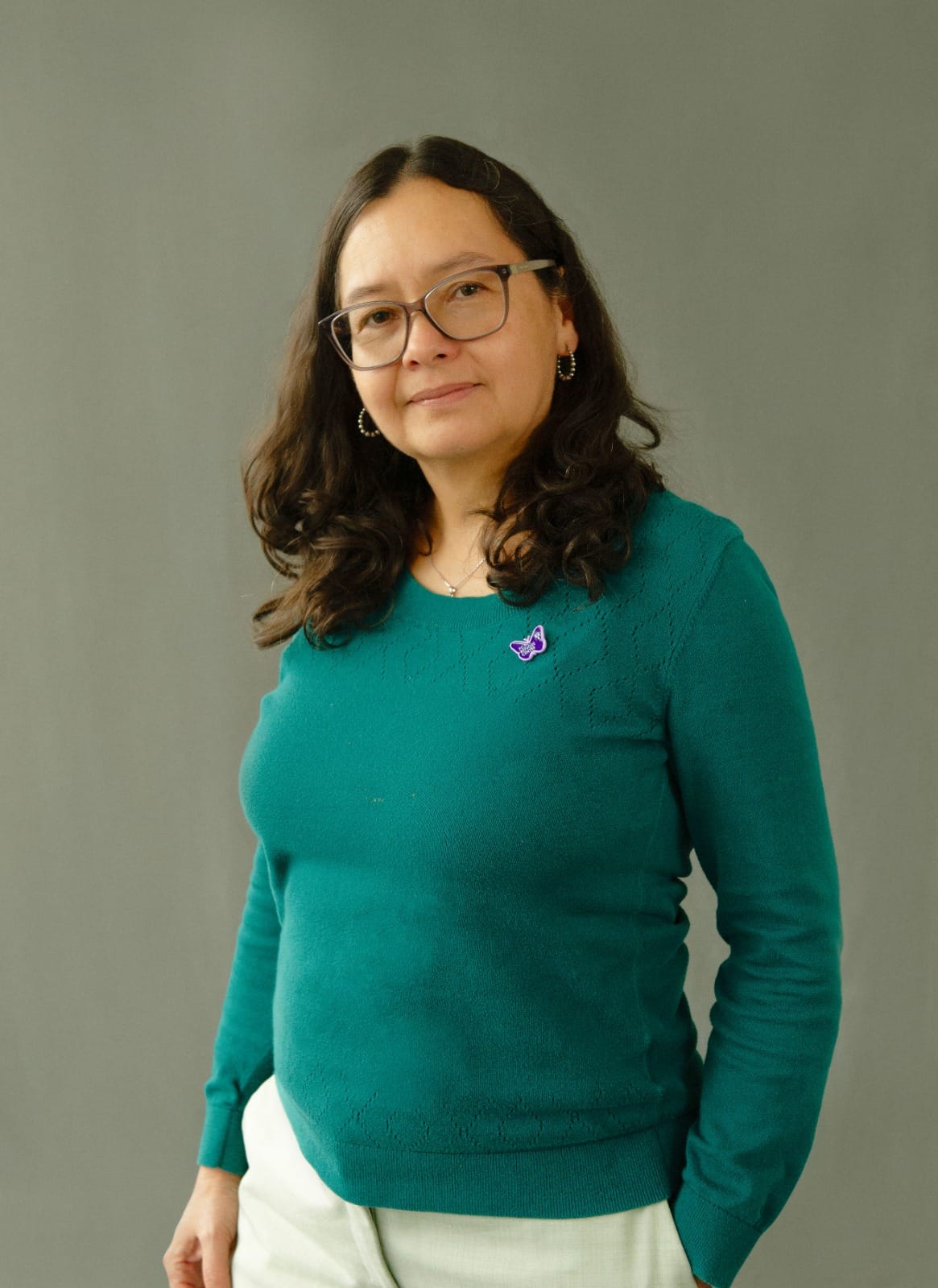
At the FCJ Refugee Centre in Toronto, co-executive director Diana Gallego said mental-health care is one of the biggest concerns she is hearing from clients. Some refugee claimants, including people who have fled war or survived gender-based violence, rely on counselling or psychological support as they try to rebuild their lives in Canada.
“Some of them said, ‘I don’t know if I can afford continuing my therapy,’” Gallego said.
Gallego said many refugees may not yet understand the new co-payments and may only learn about them when they arrive at a pharmacy or a pre-booked appointment. That could create confusion for people already navigating an unfamiliar health and immigration system.
Mental-health care can also matter in the refugee determination process, Gallego said. When claimants appear before the Immigration and Refugee Board, she said, adjudicators may ask whether they have seen a specialist or have documentation related to the trauma they describe.
The federal government has said basic health care remains covered under IFHP. But doctors and frontline workers interviewed for this story said the distinction between basic and supplemental care does not reflect what patients need in real life.
A person who cannot get glasses may struggle to attend school, learn English or find work. Someone who cannot afford counselling may deteriorate rapidly. A child who cannot access feeding supplies or mobility equipment may end up in hospital. A parent who cannot pay for antibiotics may wait until a simple infection becomes serious.
Rashid said that is why timely care matters.
When people are able to access primary care, prescriptions and supports before a condition worsens, he said, the care is often simpler, cheaper and less traumatic. When people delay, the costs are compounded.
They move elsewhere.
For Redditt, the issue is not whether the fees appear small on paper. It is whether people who arrive with almost nothing can afford them at all.
“No one should be faced with such terrible decisions,” she said.

Shilpashree Jagannathan
Shilpashree Jagannathan is a journalist from India. She now lives in Toronto and has worked as a business reporter for leading newspapers in India. She has tracked telecom, infrastructure, and real estate news developments and has produced podcast series. She currently focuses on human rights, feminist movements, and other related issues in Canada and India. Her weekends are spent bird watching in one of the Toronto birding hotspots; she loves trails, biking, and a lot of sun.