

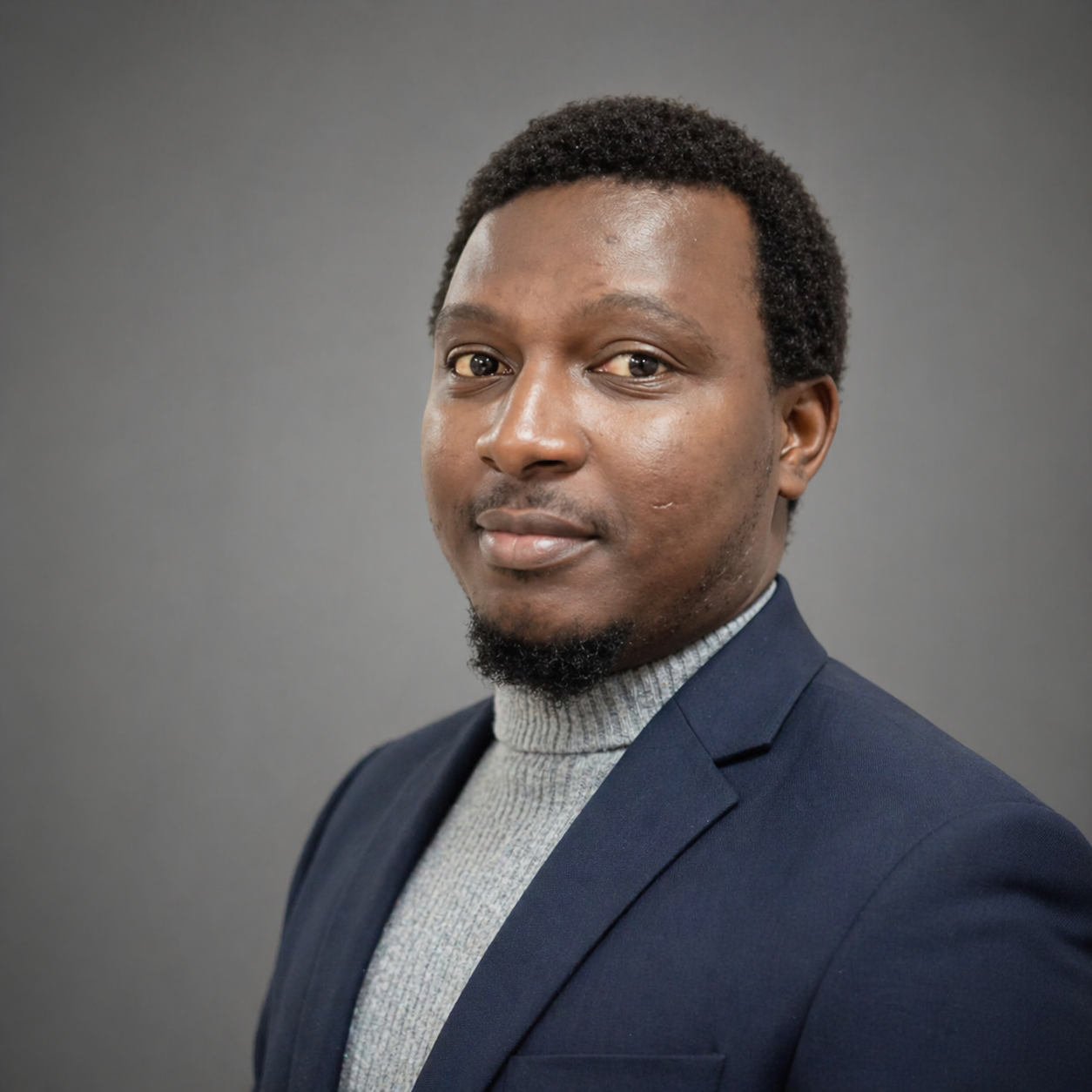
When Dr. Bolu Ogunyemi recently became the first Black president of the Canadian Medical Association (CMA), the milestone carried obvious symbolic weight. But what’s more important for him is equipping doctors to treat diverse populations, including addressing poorer outcomes on some health indicators among immigrants and refugees.
But his election is about more than being the first.
A dermatologist based in St. John’s, Newfoundland and Labrador (N.L.), Dr Ogunyemi said in an interview with New Canadian Media, “I think for me, they elected me because they felt I was the best person for the job in terms of the totality of my experience and being the right fit for where the organization needed to go.”
Being Black, he said, gives him another lens through which to approach medical leadership, particularly because Black people are among groups historically excluded from medicine.
Dr. Ogunyemi became CMA president on May 29, his stated priorities include strengthening primary care, reducing physicians’ administrative burden and responsibly integrating innovation into patient care. That experience, he said, includes perspectives on patient-centred care, artificial intelligence and digital health, climate-related pressures on healthcare and health equity.
He also sees diversity as broader than race alone. Geography, language, culture, religion, socioeconomic status and Indigenous identity can all shape how Canadians experience healthcare.
Regardless of where a patient lives or their background, he said, healthcare providers should be equipped to treat diverse populations. Among the most significant gaps, he identified access to care in rural, remote and Indigenous communities, as well as poorer outcomes on some health indicators among immigrants and refugees.
Diversity in medical school
His elevation comes as Canada’s population becomes increasingly diverse. According to Statistics Canada’s 2021 Census, 26.3 per cent of Canadians identified as members of racialized groups, while immigrants accounted for 23 per cent of the population, the highest proportion recorded in more than 150 years. Canada’s Black population alone reached nearly 1.55 million, having grown 2.7-fold since 1996.
That demographic shift is beginning to show up in medical education as well. A 2024 national survey by the Association of Faculties of Medicine of Canada found that 45.3 per cent of responding first-year medical students identified as racialized, compared with 36 per cent in 2022; 5.2 per cent identified as Black.
The medical system is still catching up. Dr. Ogunyemi said there have been “a lot of promising changes,” but cautioned that progress in medical education can take years to translate into practice because of the length of physician training.
Dermatology provides a tangible example of what those gaps can mean in practice.
Dr. Ogunyemi has previously drawn attention to the way dermatological conditions have traditionally been taught, including reliance on redness as a sign of inflammation, a presentation that may appear differently on darker skin.
He said the field has made considerable progress over the past decade. Training, textbooks, clinical opportunities and research increasingly include different skin types, –while what is sometimes called “skin of colour dermatology” has become a more significant part of conferences, research grants and clinical rotations.
“Are we exactly where we need to be? Maybe not,” he said. “But certainly there’s a lot of improvement compared to even the last 10 years.”
Playing catch up
An associate professor in the University of Toronto’s Department of Family and Community Medicine and a family physician and public health specialist, Dr. Onye Nnorom, agrees that medical education has changed, but says it has not yet caught up with Canada’s population.
“Canadian medical education has certainly evolved, and I have seen important progress in both the diversity of our learners and greater attention to health equity, anti-racism and the social determinants of health,” Dr. Nnorom told NCM in a written response.
“However, Canadian curricula and health systems have not yet caught up with the diversity of the population we serve.”
She said significant gaps remain in what physicians learn about the health of Black, Indigenous and other racialized communities. Medical education, she argued, also needs to move beyond approaching racialized populations mainly through disparities and disease and instead examine the historical and structural forces, including colonialism and racism, that affect health.
“What we consider ‘standard’ clinical knowledge has historically been based disproportionately on particular populations,” she said.
Physicians, she added, need more consistent training in how conditions appear across different skin tones and populations, while also understanding how structural factors such as racism can affect diagnosis, treatment and health outcomes.
But Dr. Nnorom cautioned against treating race itself as a biological explanation for health differences.
“The solution is not to teach race as a biological shortcut; race is a social construct, but has significant influence on health outcomes,” she said.
An associate professor at UofT co-founded the Black Health Education Collaborative, which has developed educational resources and national Black health competencies aimed at addressing gaps in health-professional training.
From representation to change
Both physicians also distinguish between having diverse faces in medicine and changing how medicine is practised.
Dr. Ogunyemi said a more diverse medical school class can bring different perspectives into the room while future doctors are learning not only about disease and treatment, but also about the social dimensions of caring for patients.
“The spaces people are learning in [should] more closely reflect the diversity of patients that we are called to serve,” he said.
He also argues for a more unbiased approach to medical school admissions. Applicants from lower socioeconomic backgrounds, for example, may have to work long hours while studying, putting them at a disadvantage if admissions decisions rely too heavily on grades.
“If you’re only looking at grades, you’re going to miss a lot of people that work very hard,” he said.
For Dr. Nnorom, the CMA presidency illustrates both the significance and the limitations of representation.
“The goal is not simply a health workforce that looks more like Canada, but a health system that understands and responds more effectively to the people of Canada,” the UfT professor said.
The immigrant doctor question
For newcomers, another test of inclusion lies in whether physicians trained abroad can find realistic pathways back into medicine.
Dr. Ogunyemi immigrated from Nigeria but completed his schooling and medical education in Canada, so he is careful not to claim the experience of an internationally-trained physician. He nevertheless said his close connections to the Nigerian community, including a physician father who trained partly in Nigeria, have exposed him to the challenges.
He pointed to regulatory, administrative and immigration-related hurdles confronting internationally trained physicians, while noting efforts in several provinces to make assessment pathways more efficient.
The challenge, he said, is reducing unnecessary barriers without compromising Canada’s medical standards.
One model he believes has potential allows internationally-trained doctors to begin seeing patients under the supervision of established physicians. The arrangement simultaneously provides care, Canadian practice experience and an opportunity for assessment.
“You’re getting them familiar and working in a practice setting right away, but you’re still maintaining the safety of the patient,” Dr. Ogunyemi said.
For Dr. Nnorom, the significance of who sits at the table ultimately depends on what changes for people outside the room.

Dayo Ojerinde
Dayo Ojerinde is a multimedia journalist with over 10 years of experience covering health and social issues, with a focus on human-centred and data-driven reporting.