
Every long war has a moment when the rest of the world stops asking what is happening. It is not because the war has ended, but because it has become familiar.
Ukraine’s war has now entered its fifth year. Abroad, it makes headlines after another missile attack or diplomatic summit, then attention shifts elsewhere.
Inside Ukraine, the war never fades into the background; it continues to reshape cities, institutions, families and daily routines.
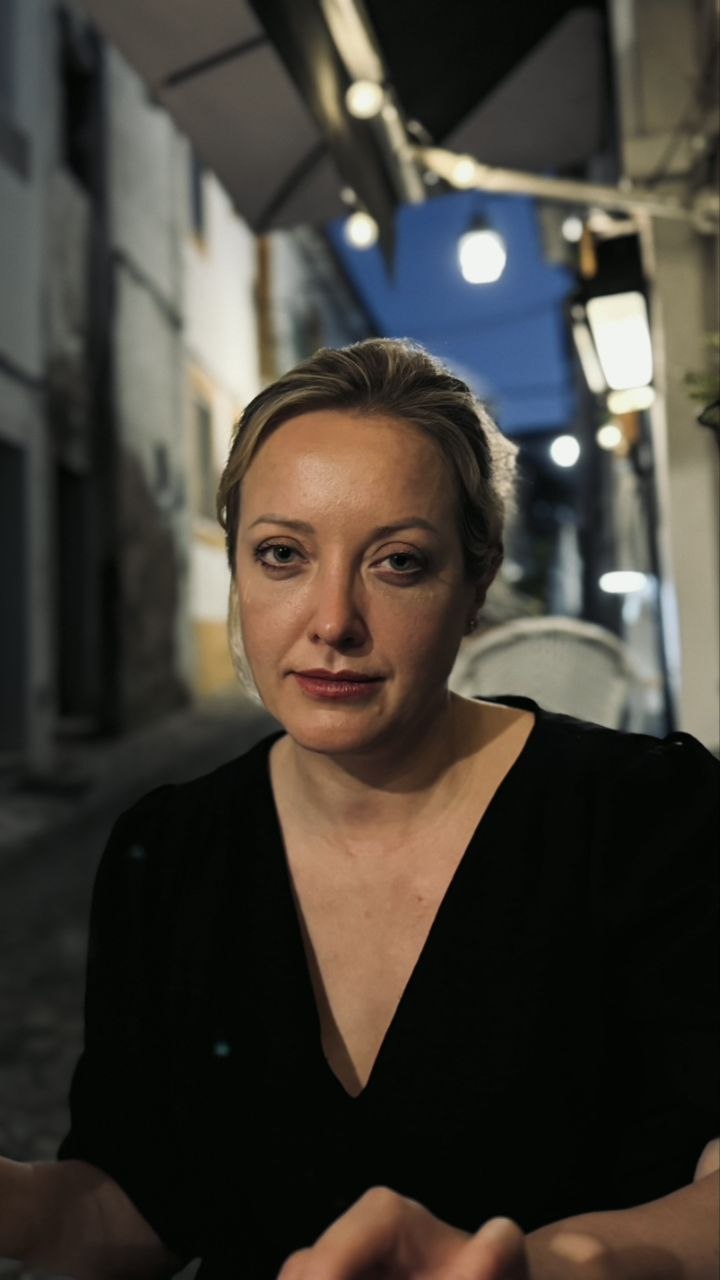
I have lived for several years between these realities — moving between field research in Ukraine, working with advocacy across Europe and North America, and building a stable life for my family in Canada. Moving repeatedly between these worlds has altered how I think about security.
Each time I return to Ukraine, it takes only days before I become accustomed again to reading the rhythm of danger. People call this getting used to war, but I have never found that suggestion convincing.
No one becomes accustomed to missiles.
What changes is something else. Survival becomes procedural: Which alarm means drones, which means ballistic missiles, how to plan a day around power outages, and how to prepare for another winter without knowing whether there will be heat — or whether you and your neighbour will survive the night.
From the outside, this may look like resilience. From the inside, it feels more like adaptation.
Ukraine itself has changed just as profoundly.
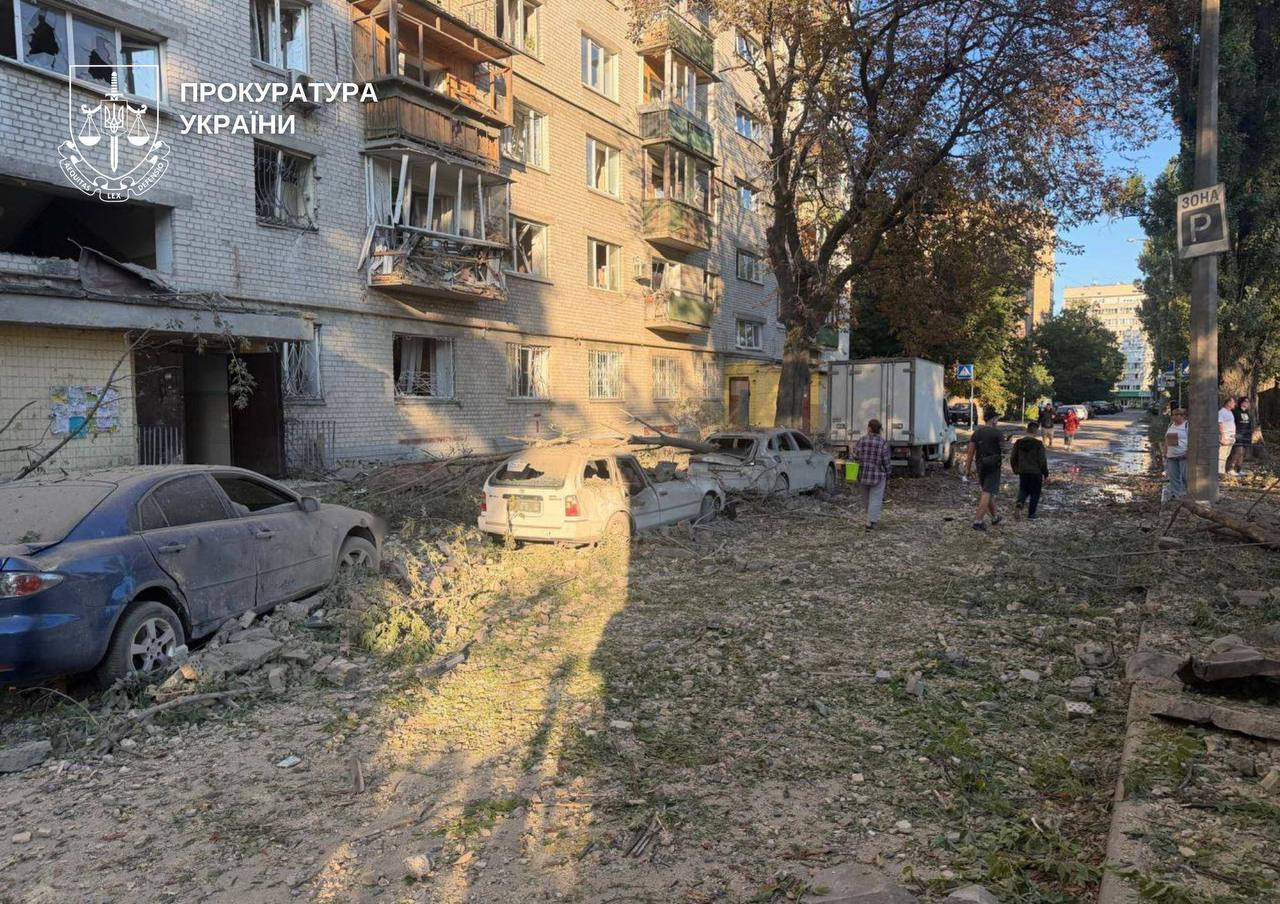
Cities I once knew have been damaged or destroyed. Friends have left; communities have scattered. Even Kyiv feels different — more women, more elderly people, more young people under 25, and far fewer men of working age. The city is alive, but its social landscape has transformed.
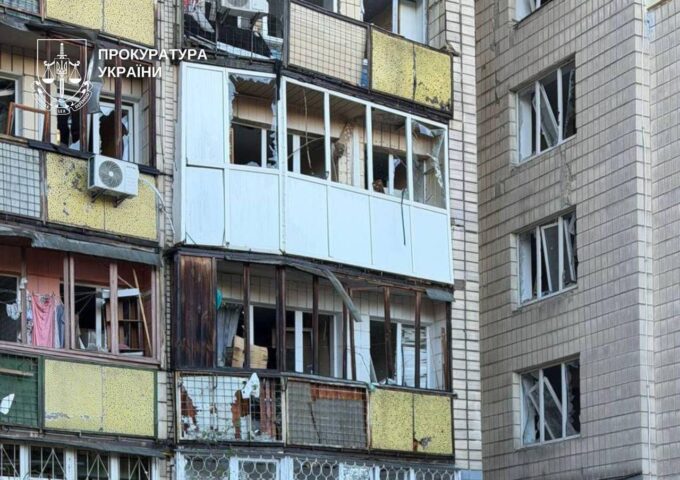
In August, my own neighbourhood was hit. A music school, a school for elementary and high school students, and a kindergarten were all damaged in the strike. My former neighbours are left without windows or doors as the weather turns colder.
I no longer have a home in Ukraine. When I return, I stay with friends or rent a small apartment for a few days, relying on delivery platforms for the practical things that make short stays manageable.
I ordered dinner most days during my last visit and nearly every time, the courier at my door was a teenager on a bicycle or scooter. The boy was simply helping the family earn a little more while his father was unable to do so because he was fighting in the war or had already been killed in action. The courier handed me a meal, smiled politely and hurried on.
By the end of the week, I realized no one around me seemed surprised — a striking shift from my own childhood when kids were pushed toward school, not work. Now seeing children working doesn’t surprise anyone.
Long wars change not only skylines and demographics; they quietly change what societies come to accept as ordinary.
My niece is 13 years old. She started first grade during COVID and before school routines could settle, the war began. She and her mother spent time abroad before returning home to Kyiv. My niece is bright and talented, yet she has never known an uninterrupted school year, let alone the ordinary pleasures of classroom routine or recess with friends.
Returning to Canada requires learning another rhythm altogether — one built on constantly proving myself. You learn English, then French and still have to demonstrate, day after day, that a low income and an unstable start are a reflection of the refugee reality, not laziness or lack of ability.
You want to say, “Just give me a chance.” Can I prove I can actually afford this new life? Will we file for permanent residency in time, given that the system already considers me too old?
I have lost fifty points on the scale that decides who gets in and I lose roughly ten more each year. And what about my daughter’s education? Her grandfather and father are both scientists, yet it seems as though we have been welcomed here mainly as cheap labour.
Unless something changes, our children can only apply to post-secondary school as international students and pay tuition nearly five times what a Canadian family pays — an impossible sum for most newcomer refugees.
Yet even these tasks carry another kind of uncertainty: How much of yourself do you invest in a future with an unclear timeline?
I have gradually come to realize I am no longer living simply between two countries. I am living between two futures.
One future assumes I will eventually return to Ukraine. The other future is to keep building a life in Canada. Neither answers the questions that matter most: When? Under what conditions? At what cost?
This uncertainty is not mine alone; many Ukrainians under temporary protection are encouraged to integrate, while being reminded that their stay is temporary.
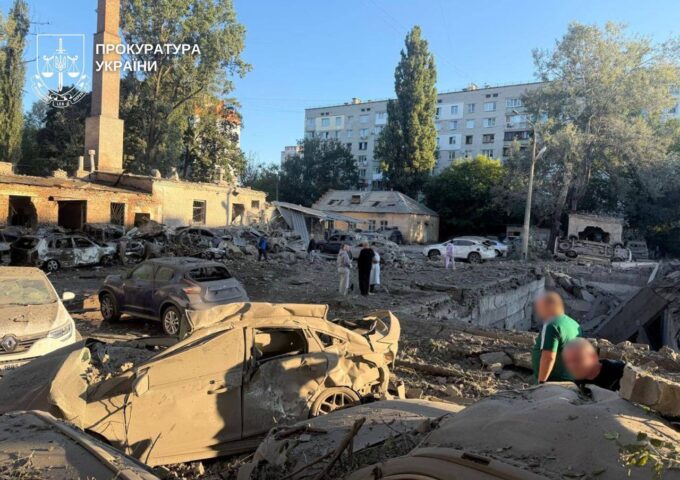
Meanwhile Ukraine understandably speaks more about return — years of war have brought demographic losses, labour shortages and the challenge of reconstruction.
In online Ukrainian community groups, I notice more people asking how to get to Canada, not realizing that Canada-Ukraine Authorization for Emergency Travel (CUAET), the program that brought so many of us here, closed to new applicants in 2023. Those of us who made it are now caught in a different kind of waiting: Renewing a work permit inside Canada currently takes close to six months, according to the government’s own processing data. That means half a year of not knowing whether you can keep your job, your apartment, your children’s place in school.
Even a successful renewal settles nothing. No one can say whether these permits will be extended again next year or what happens once the war officially ends. I keep returning to a colder question of my own: If things continue as they are, will there be a home left to come back to? All I can do some days is watch, from a distance, as the streets I grew up on and the places that once held my whole heart, quietly disappear.
The country that people left is not the country that exists today.
The people who left are no longer the people they were. Children have grown up elsewhere. Careers have changed. Families stretch across borders now; new communities have formed while others have disappeared. Home has become more complicated than a place on a map.
Perhaps this is why discussions about return, rare and hesitant as they are, feel incomplete. Governments ask how people can be encouraged to return; public debate asks whether they will.
Far less attention goes to two other questions: What does return actually mean after years of living between two uncertain futures?

Nina Potarska is a gender expert on peacebuilding and conflict resolution who has researched the war in Ukraine since 2015. She is the director of the Center for Social and Labor Research and a community member of the Human Rights Research and Education Centre (HRREC) at the University of Ottawa, where she contributes to the Voices in Exile project on activists and others displaced from their homelands.


