
Editor’s note: This story has been updated to include a statement from the Chinese Embassy in Ottawa, received after initial publication.
A new law in China reinforcing Han Chinese identity at the expense of minority groups such as Tibetans and Uyghurs has rattled community leaders in Canada, who say Beijing is using it to recast their decades-old struggle as a purely domestic matter.
The Ethnic Unity and Progress Law, which took effect July 1, formalizes a shift that has been underway in China for close to a decade, pushing ethnic minorities toward what the state calls a single Chinese nation. Advocates call it Han Chinese assimilation: legal pressure on Tibetans, Uyghurs, and Inner Mongolians to prioritize Chinese over their own languages, layered on years of forced relocation, family separation, and labour policy already reshaping those communities.
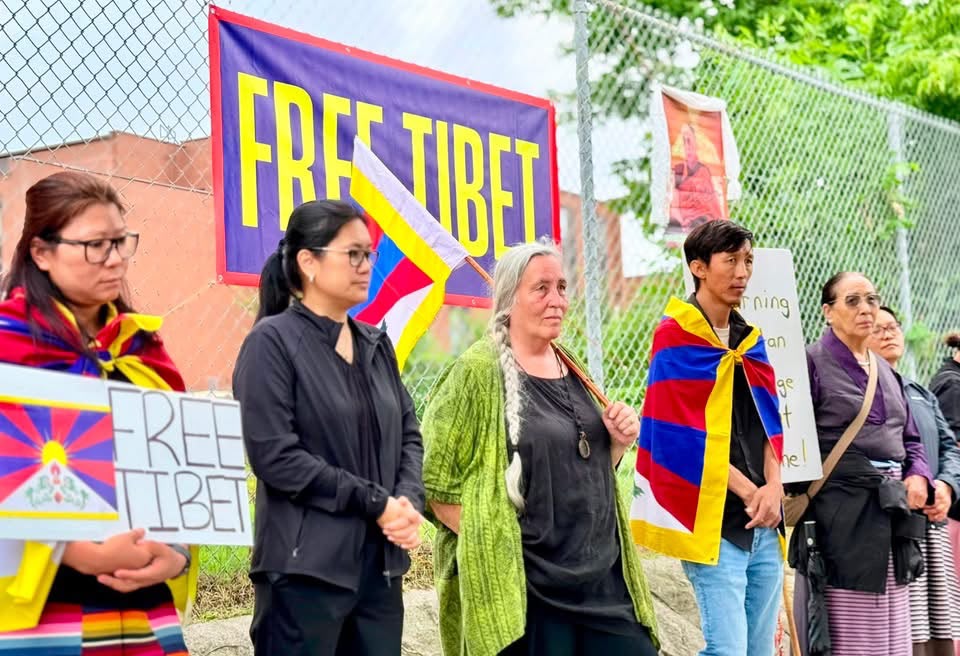
“If they seriously considered us and inner Mongolians as Chinese, then they should also have rights to speak their languages. Especially, it’s already promised within the Chinese Constitution,” said Sherap Therchin, executive director of the Canada Tibet Committee. “[T]hen, they should also have the right to speak their own languages.” Article 4 of China’s constitution guarantees ethnic groups the freedom to use and develop their own languages, a guarantee the new law appears to directly contradict.
The new law, he said, contradicts those prior commitments while giving Beijing a legal basis to describe foreign criticism as interference in an internal affair.
For Abdulahat Nur, prime minister of the East Turkistan Government-in-Exile, the term Uyghur advocates use for the region Beijing calls Xinjiang, and head of the Alberta Uyghur Cultural Society in Edmonton, the law is a legal cover for an old threat. “China is doing it, has been doing it long time ago. But this law, is totally different. It’s forcing people to assimilate. To be China. And then if you don’t accept to be China, they will be in jail, or they will (be) killed.”
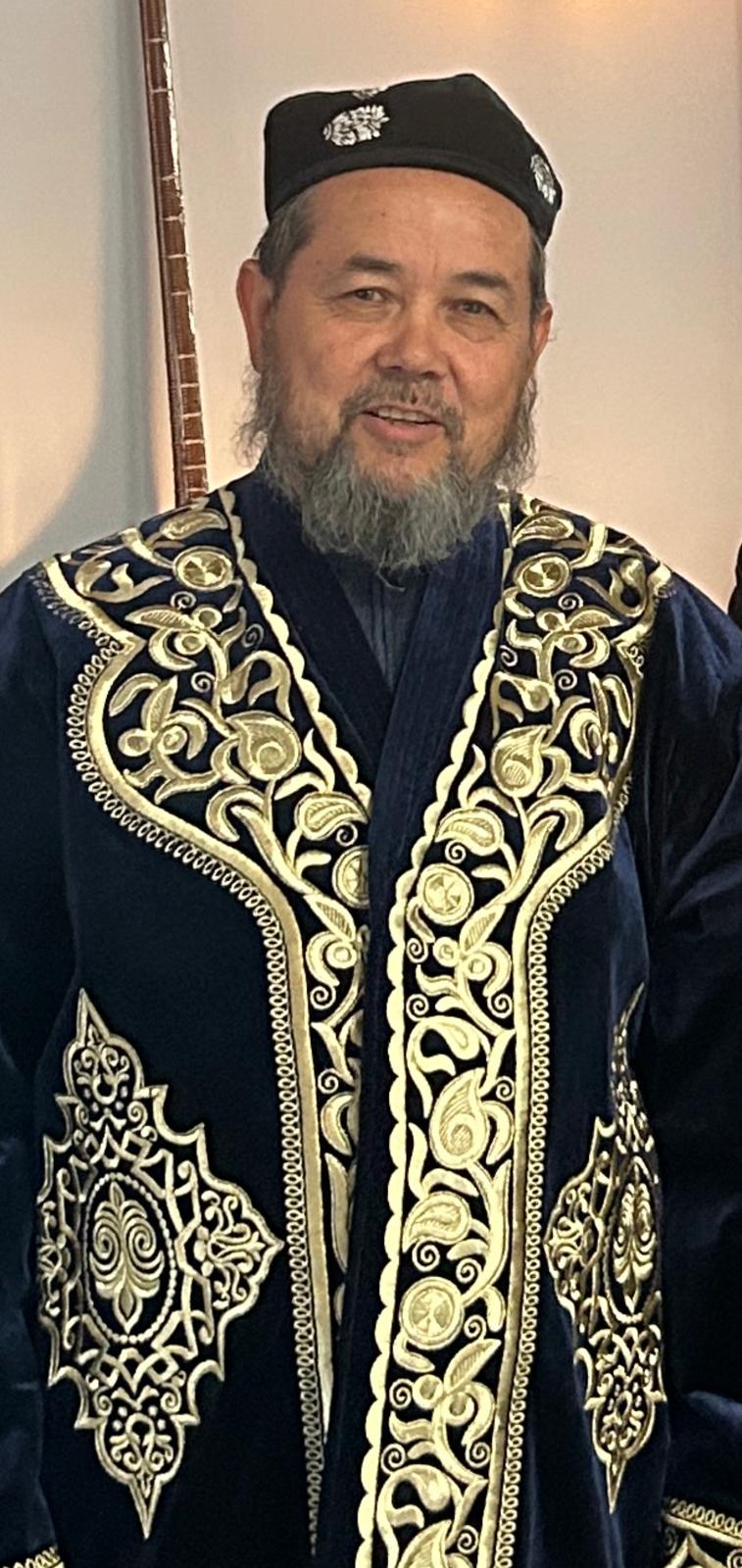
Nur calls what’s happening an ongoing”genocide”, now entering its 13th year, a characterization Canada’s Parliament itself endorsed in a unanimous, non-binding vote in February 2021. Tibet has its own version: in June 2024, the House of Commons unanimously recognized Tibetans as a people with the right to self-determination. Both motions passed without a single dissenting vote.
However, neither appears to have translated into visible pressure on Beijing since.
Ottawa’s silence
Neither advocate is speaking from a distance. Therchin was among 20 Canadians sanctioned by China in December 2024 over Tibet and Xinjiang advocacy. Nur says he has faced consequences too, describing family members in East Turkistan being warned to stay away from diaspora organizing, under threat to relatives still living there, a tactic he says that gains teeth with the new law.
Therchin, who has raised Tibet’s case in Canada for eight-and-a-half years, said a lesson he has learned is how easily a story of invasion and occupation gets flattened instead into one about human rights and ethnic minorities, a shift that lets Beijing frame the issue as a domestic affair rather than what advocates call a military takeover.
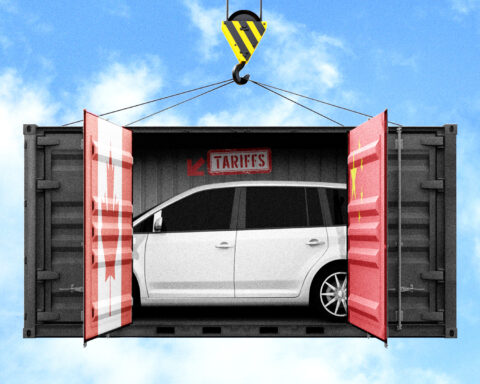
Canada’s caution on China isn’t limited to human rights. Trade between the two countries has been warming quickly: Prime Minister Mark Carney’s January 2026 visit to Beijing produced a deal cutting Canada’s tariff on Chinese electric vehicles from 100 per cent to 6.1 per cent, in exchange for China lowering tariffs on canola, lobster, crab, and pea exports. For advocates like Therchin and Nur, this growing relationship is part of the problem: it gives Ottawa less incentive to confront Beijing on language policy or repression.
In a statement, the Chinese Embassy’s Press and Public Affairs Office in Ottawa said, the Ethnic Unity and Progress Law was passed to support development in ethnic minority areas and to protect minority languages and labour rights, and that it has received “high recognition and firm support from people of all ethnic groups across the country.” It rejected the characterization of the law as a tool of assimilation, calling it “gross interference in China’s internal affairs.”
On the law’s application beyond China’s borders, the Embassy confirmed that individuals or organizations outside China who engage in conduct “which undermines ethnic unity and progress or incites ethnic separatism” can be held legally accountable, describing this as a standard exercise of a sovereign state’s legislative authority consistent with international law.
Global Affairs Canada did not respond to a request for comment. Former deputy prime minister Chrystia Freeland spoke out against the new Chinese law at a security forum in Taiwan this week.
The law took effect July 1. The next day, a Tibetan man, Lobga Rangzen, self-immolated in front of the United Nations headquarters in New York, the first such protest incident on American soil. In a final message hours before his death, he called on China to repeal the law, on Tibetans not to give up the cause, and on exile communities to stay united and not forget the people still living under Chinese rule.
A month later, that’s the worry other exiled leaders such as Therchin and Nur keep returning to as well.

Shilpashree Jagannathan is a Hamilton-based freelance journalist and editor whose work has appeared in CBC News, New Canadian Media, The Margin, Business Insider, TRT World and Mint, and has been republished by The Walrus. She reports on immigration, labour, affordability, housing, elections, climate impacts and social justice, focusing on how policy and power shape the lives of households, workers, newcomers and local communities. Drawing on more than a decade in business journalism in India and a strong background in investigations, research and editorial work, she brings rigour and empathy to stories that trace the gap between policy and lived experience. She has also appeared on podcasts and radio programs to discuss her reporting and its broader public-policy implications.