
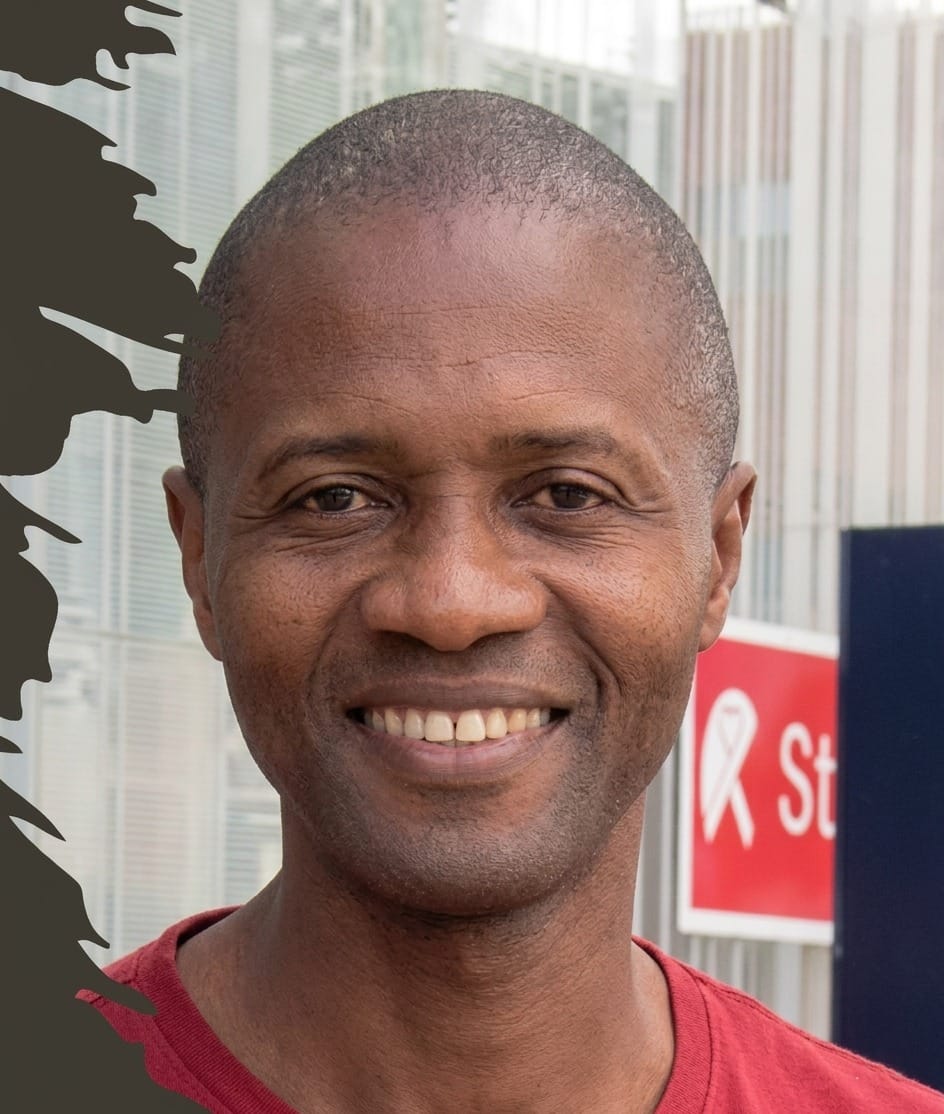
When Peri Wong enrolled in Queen’s University’s Graduate Diploma in Immigration and Citizenship Law program launched in 2021, she assumed immigration consulting was primarily about preparing applications.
“I underestimated the legal nature of the profession,” she recalls. “I was surprised to discover how much of the profession involves interpreting legislation and regulations, conducting legal research, exercising professional judgment, and communicating complex legal concepts clearly and responsibly.”

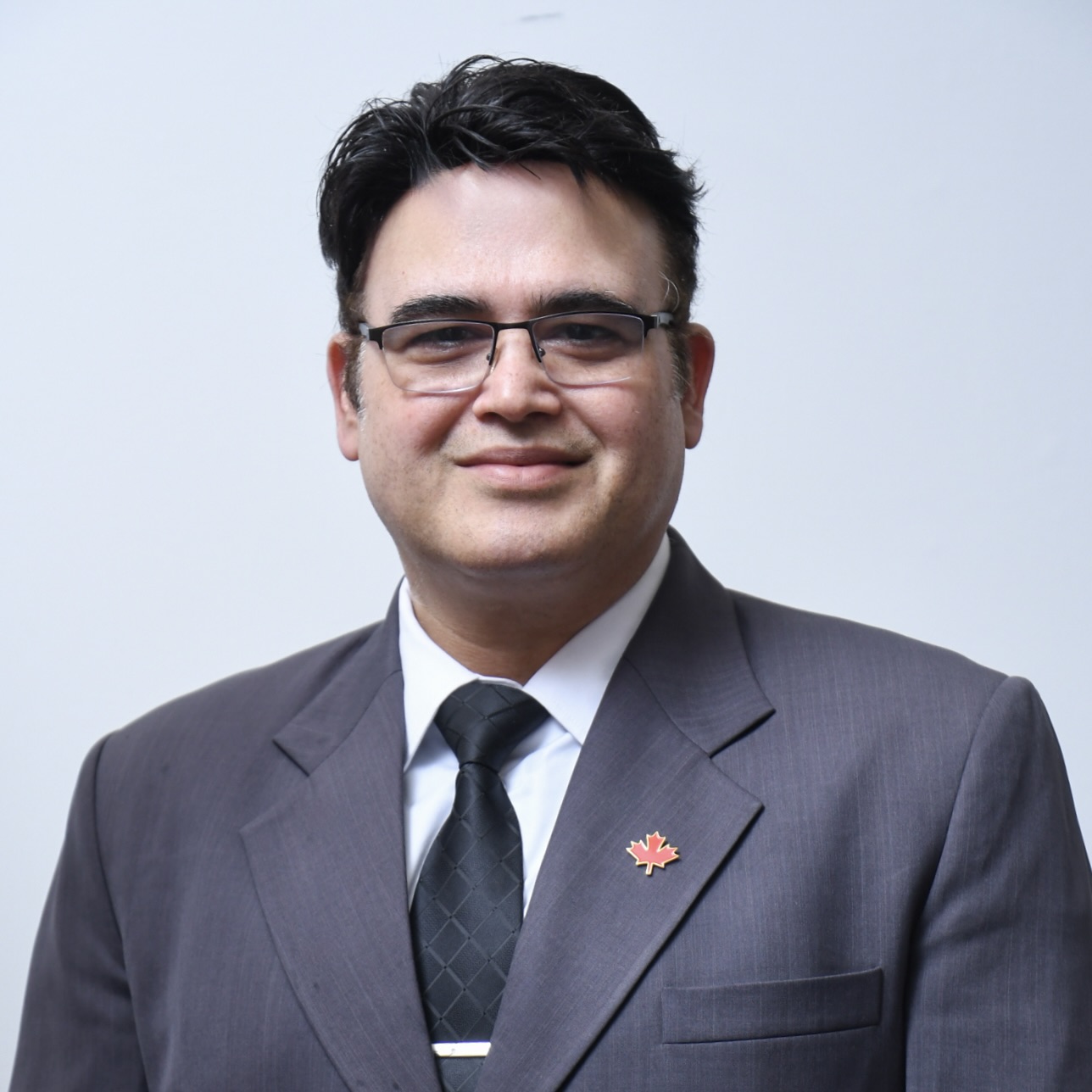
Vikas Chauhan arrived at a similar realization from a different path. An entrepreneur and immigrant, he enrolled “to understand the system from [the] inside, before I could hope to improve it.”
Their experiences capture the ambition behind Canada’s most significant overhaul of immigration consultant education in decades. Introduced in 2021, the reforms sought to professionalize a field long marked by uneven educational standards and recurring concerns about consumer protection.
Five years on, the question is no longer why the reforms were introduced, but what evidence is emerging that they are working and what professional education can realistically accomplish on its own.
Can education alone change professional practice?
According to professor Sharry Aiken, Academic Director of Queen’s University’s Graduate Diploma in Immigration and Citizenship Law, the graduate diploma was designed to prepare students for legal practice rather than technical application processing, with instruction in administrative law, statutory interpretation, legal research, professional responsibility, and reflexive decision-making.

Since its inception in January 2021, more than 1,600 graduates have completed the program, while roughly 28 per cent drop out, with attrition varying according to individual cohorts. “The attrition through the student learning journey should be interpreted as the program doing its job as [a] guardian of a critical public trust,” she says, noting that students who fail to maintain graduate-level academic standards are required to withdraw from the program.
Wong, who has a background in psychology, education and translation, found that learning to read and interpret legislation were among the program’s most valuable lessons. “It became immediately clear that the program was designed to provide students with a comprehensive understanding of Canada’s immigration landscape while challenging us to engage critically with legislation, policy, jurisprudence and professional responsibilities.”
Chauhan says the program taught him not merely how to prepare applications but how to interpret legislation, recognize the limits of his own competence and view professional learning as an ongoing responsibility.
According to the Canadian Association of Professional Immigration Consultants (CAPIC), which represents thousands of practising consultants across Canada, the introduction of graduate-level education is an important step in strengthening legal analysis, ethical decision-making and client-centred practice. It adds that education is important but continuing professional development, regulation and enforcement also matters.
CAPIC emphasizes that under Canada’s regulatory framework, an “immigration consultant” is an individual licensed by the College of Immigration and Citizenship Consultants. Those who provide immigration advice or representation for a fee without authorization are properly described as unauthorized practitioners, a distinction that regulators and professional bodies increasingly stress as part of broader public education efforts.
For educators, graduates and working professions, the reforms represent a philosophical shift: immigration consultants are no longer trained simply to process applications, but to exercise legal judgment within an increasingly complex regulatory system.
Education has limits
Graduate-level education can strengthen professional competence. Whether it can prevent misconduct is a different question altogether. Immigration, Refugees and Citizenship Canada (IRCC) says: “Beyond educational reforms, the Government of Canada considers a strong regulatory and oversight framework to be essential to strengthening the integrity of the immigration consulting profession,” pointing to investigations, disciplinary processes, public complaints mechanisms, compensation funds and ongoing monitoring of licensee compliance as essential safeguards.

Noel Semple, an associate professor at Windsor Law, said education unquestionably improves professional competence, but only up to a point. “If a person lacks morality or psychologically can’t keep up with the demands of professional practice, then it doesn’t matter how much they know about the law. They are going to end up going off the rails and probably hurting a lot of client interests when they do.”
Mario Bellissimo, a Toronto-based immigration lawyer, described graduate education as “necessary, but not sufficient.” It can teach legal reasoning and ethical decision-making, he says, but cannot eliminate greed, dishonesty, or deliberate misconduct.

The implication is significant. Graduate education may establish the baseline for professional competence, but maintaining public trust depends on continuing learning, regulatory oversight, accountability and timely intervention when standards begin to slip.
Beyond complaints and discipline: Measuring professionalism
Looking ahead, perhaps the most difficult question is not whether graduate education has raised standards, but how success should actually be measured.
For Bellissimo, success should be measured by outcomes rather than educational credentials or licensing examinations. “Professional regulations should be evaluated by outcomes rather than inputs.”
In his view, the crucial indicators include reduction in substantiated complaints, earlier identification of competence concerns, fewer findings of professional misconduct, improved quality of applications submitted to IRCC, stronger compliance with professional obligations and, ultimately, greater public confidence in the profession.
The College of Immigration and Citizenship Consultants (CICC), also simply known as the College, makes a similar argument, maintaining that complaint statistics and disciplinary decisions are useful indicators, but “[they] alone are not an appropriate measure of the effectiveness of the College’s competency-based regulatory reforms.”
As of June 20, 2026, the College reported 11, 578 licensees in good standing, with more than half of all open complaints attributable to just one per cent of licensees. It said the figures illustrate why education must be complemented by ongoing monitoring, early intervention and quality assurance.
As part of its public protection effort, the CICC said it has directed more than 1.7 million visitors to its Public Register through multilingual fraud-prevention campaigns conducted across 17 countries, notably India, Pakistan, the Philippines, Nigeria, Ghana and Bangladesh this year.
The IRCC said the effectiveness of self-regulation should be assessed not simply by educational reforms or complaint statistics, but by whether the College also has appropriate legislative and regulatory authorities to uphold professional standards and protect the public.
Other measures include mandatory mentorship for new consultants, a specialized licence for representatives appearing before the Immigration and Refugee Board, and regulations strengthening the College’s governance, which serve as evidence of a progressively stronger regulatory system.
The department highlights expanded enforcement against unauthorized practitioners, which now allows the College to seek court injunctions against individuals providing immigration advice without a licence. The purpose of this measure is to “deter those who commit fraud and provide unauthorized advice and representation,” reflecting the IRCC’s view that professional integrity entails raising standards for licensed consultants as well as reducing the influence of unauthorized practitioners operating outside the regulatory framework.
For Semple, complaints statistics should be interpreted cautiously because many clients harmed by poor representation seldom complain. “If you’re deported,” he says, “you’ve got bigger problems than filing a complaint with the regulator.” Instead, he believes regulators should actively monitor tribunal decisions, identify recurring patterns of poor practice, analyze performance data and intervene before isolated problems become systemic.
Professionalism is a process
There is a growing consensus across the profession that the reforms have changed expectations. Competency is increasingly understood not as something demonstrated once at licensing, but as something that must be sustained throughout a career.
Yet educators and practitioners emphasized the limits of education. As Aiken argued, graduate study is intended to cultivate legal reasoning, ethical judgment and professional responsibility while instilling the habits of lifelong learning required in a rapidly evolving field.
Bellissimo described professional education as indispensable but only one element of public protection. CAPIC likewise views graduate education as the foundation for practice complemented by mentorship, continuing professional development and effective regulation.
The educational reforms introduced in 2021 did not complete the professionalization of immigration consulting, they marked the beginning of an ongoing process, one that will continue to be tested not only in classrooms and licensing examinations, but also in tribunal hearings, regulatory decisions, client experiences and the everyday judgment of the professionals entrusted with helping people build new lives in Canada.
Aloa Alota
Aloa Alota is a recipient of the 2025 Press Freedom Hero Award from the Gambia Press
Union. He is author (with Demba Ali Jawo) of A Living Mirror: The Life of Deyda
Hydara, which examines journalism, power, and risk through the life of the slain
Gambian journalist - Deyda Hydara. The work has been endorsed by Reporters Without
Borders (RSF) and adopted by the Open Society Initiative for West Africa (OSIWA) as
an advocacy text on freedom of expression in Africa. He holds a PhD in Media Studies
from Western University, London, Ontario.