
The FIFA 2026 World Cup landed in Toronto’s diaspora neighborhoods differently. It was more than the largest global event ever; it revealed the complexity of building a life in a new home.
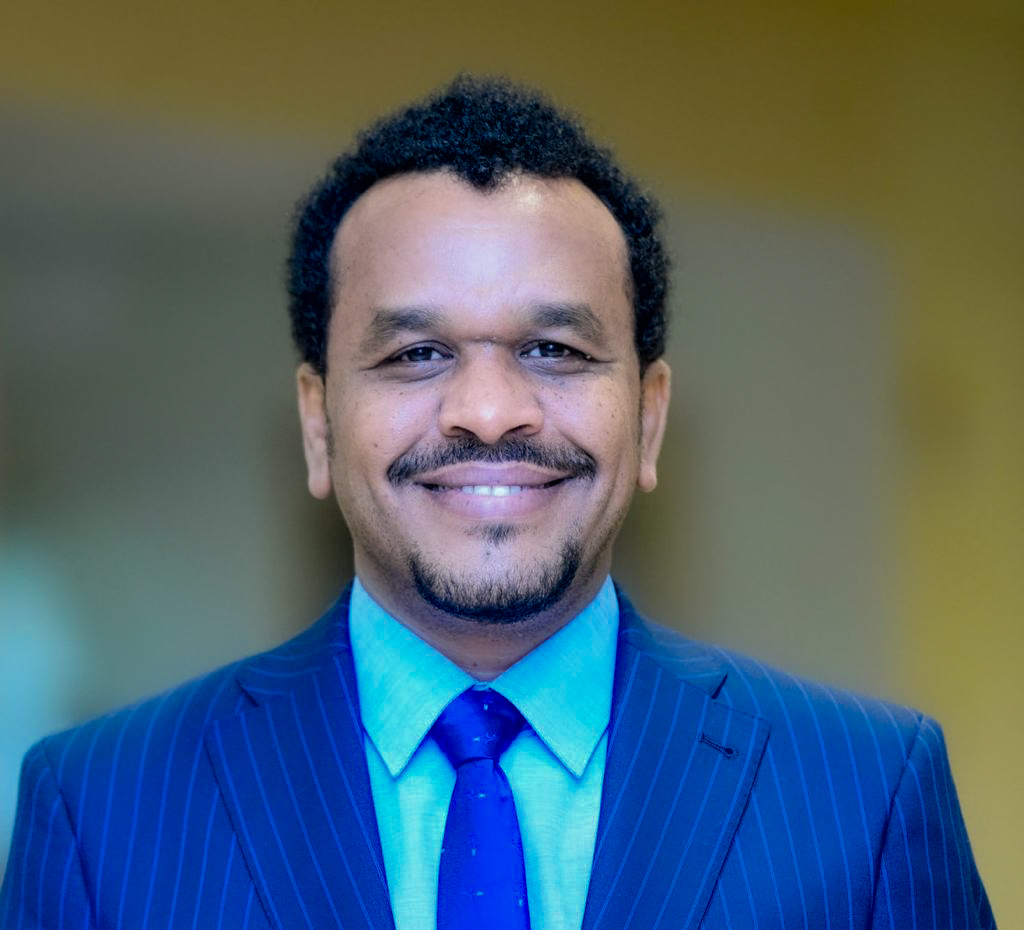
When Canada was knocked out after an unprecedented run to the round of 16, marking its arrival as a football (or soccer as many say here) nation, the mood in immigrant neighborhoods was a mix of heartbreak and unexpected pride. “I was disappointed because I was supporting Canada as my new home,” says Mustafa Hussein, a Sudanese-born engineer living in Toronto. “I was proud of their effort and the way Canadians supported the team.”
Ashraf Abdulwahed, an insurance broker, said that he felt disappointed yet proud of Canada’s progress to the round of 16. “It makes me optimistic that they will do better next World Cup.”
Samah Rayhan, an entrepreneur, added that while she wanted Canada to advance, she remained proud of what the team accomplished, on and off the pitch (field for most Canadians): “I was disappointed because I wanted Canada to go further, but I was still proud to see the team compete and bring people together.”
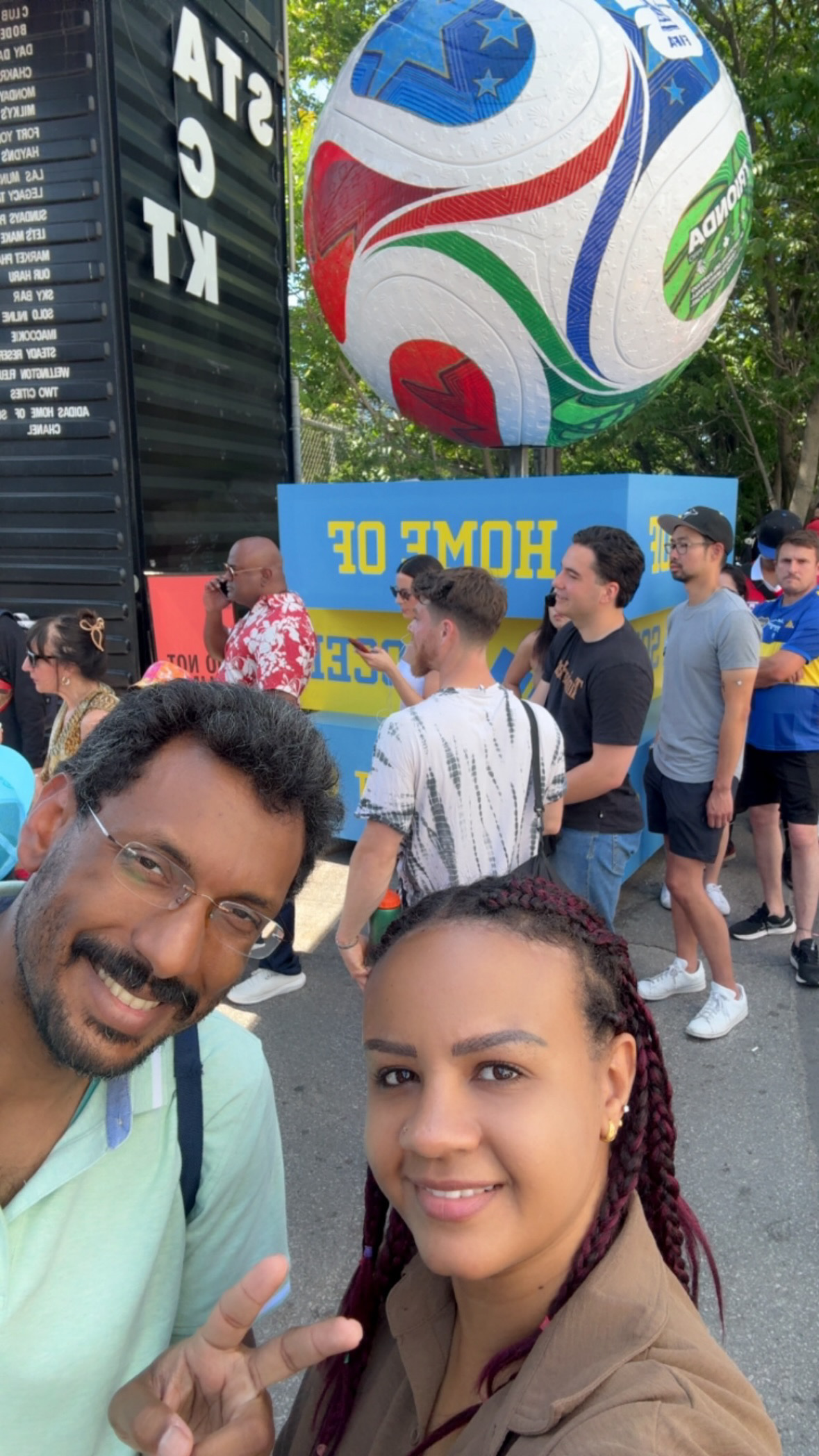
Isaac Ouhanian, a senior finance manager who came from Syria in 2016, described the elimination as “expected given the level of competition,” but noted the pride in hosting an event that created such profound experiences.
Family bonds
Beyond the matches, the World Cup has exposed the tug-of-war as identities collide, shape and reshape inside immigrant homes. For parents, watching the games is a trip down memory lane. “It just reminds me of home,” Hussein says. He’s now looking to the future, hoping his young child grows up waving the Canadian flag, while still keeping their Sudanese heritage—and a love for the beautiful game—close to heart.
Rayhan observed that her children, raised in Canada, mostly supported the Canadian team, while she watched more as a general football/soccer fan. “We all enjoy the excitement together,” she said. Abdulwahed noted that the tournament helps gather family members across ages, creating motivation and a shared spirit of challenge.
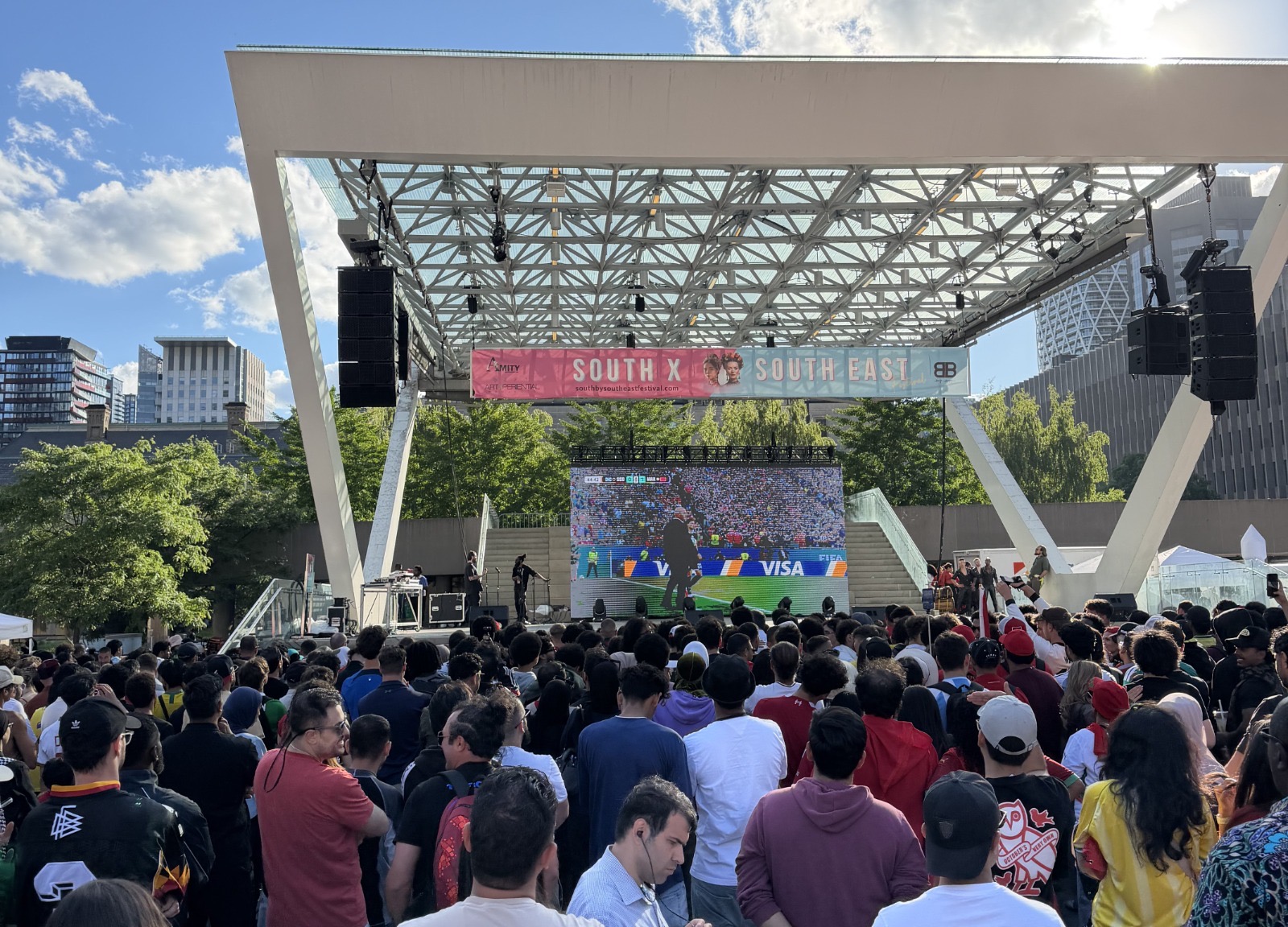
Across Toronto, spaces like fan festivals, cafés, restaurants, campuses and parks became the city’s living room, where cultures naturally connected. “The World cup helps to gather all family members in one place, spending more time together and creating the motivation and spirit of challenge among different ages,” Abdulwahed says.
The epic event gave so many communities a stage to celebrate their roots, tighten neighborhood bonds and just meet people they would otherwise never cross paths with.
Rayhan highlighted how these spaces created “a great sense of community” while allowing people to celebrate their own cultures.
Ouhanian mentioned watching some matches at home and others at restaurants with friends and community members.
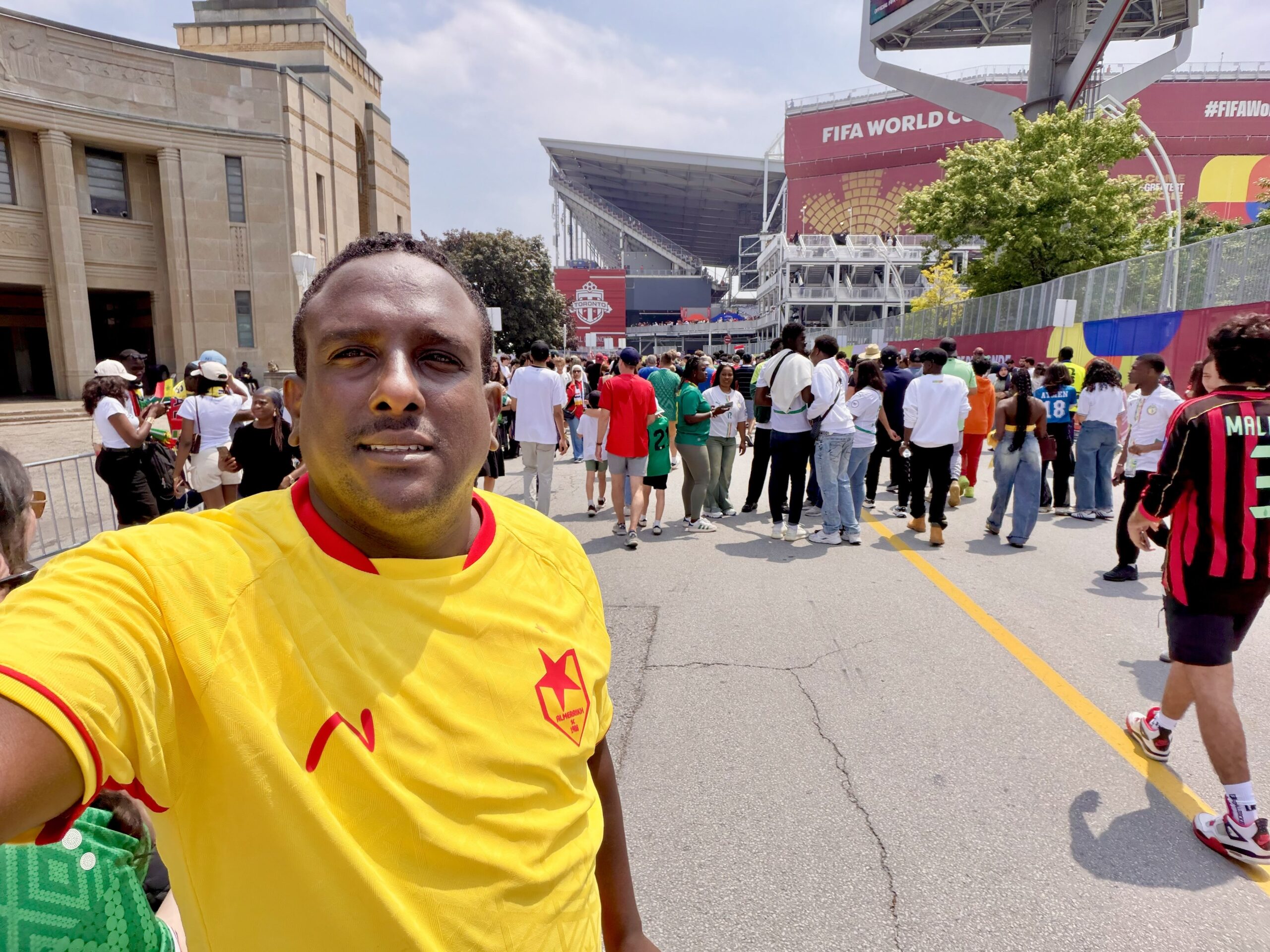
Hussein added that football “brings people together, creates conversations and helps people from different backgrounds connect.”
Reddit discussions in Toronto community pages similarly portray the city as a place where every World Cup match felt like a home game, with strong support for various national teams reflecting the city’s comfortable multiculturalism.
In online discussions, many Torontonians noted how the World Cup transformed the city into a truly global village, due to the large diaspora communities supporting their respective teams, creating an electric, multicultural atmosphere across fan zones, patios and public squares.
For many newcomers, hosting the World Cup on Canadian soil will be remembered as a seminal moment in their journey. “The World Cup in Canada strengthened my sense of belonging. I felt more connected and proud,” said Abdulwahed.
Rayhan described it as affirming that “Canada is a place where people can keep their roots while feeling at home.” Hussein felt “more connected to Canada,” appreciating how the event highlights the country’s value of diversity. Ouhanian summed it up powerfully: the experience reminded him that he “can stay connected to my Syrian roots, continue supporting England and proudly call Canada home.”
As the tournament wrapped up this past Sunday with powerhouse Spain hoisting the iconic golden trophy, the full story in Toronto isn’t just about who won. In a city of approximately 200 languages, this World Cup proved that football is the ultimate translator—helping thousands of newcomers stitch their pasts into the everyday fabric of Canadian life.

Shawgi Mustafa
Shawgi Mustafa is a Toronto-based journalist and energy analyst with over 10 years of experience covering energy markets, human rights, politics and migration. He has worked for numerous prominent media organizations across the Middle East. His work focuses on the intersection of global politics, human rights and energy economics. X: @shawgi